Gold prices surge amid hopes for US-Iran peace deal
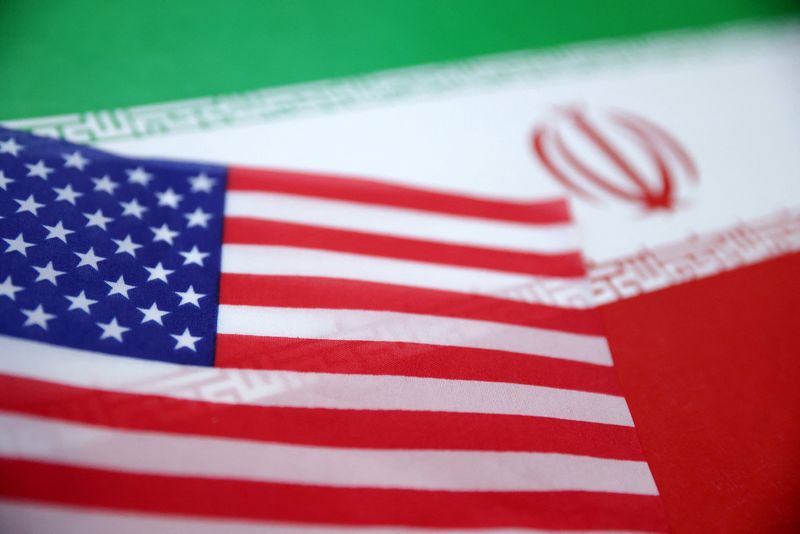
Investing.com-- U.S. Secretary of State Marco Rubio said on Sunday that Washington would pursue all diplomatic avenues with Iran, and that a framework deal to reopen the Strait of Hormuz appeared to be close.
But Rubio also warned of “alternatives” if diplomacy did not succeed.
“We have what I think is a pretty solid thing on the table in terms of their ability to open up the Strait,” Rubio told reporters during a visit to New Delhi, India.
“We’re either going to have a good agreement, or we’re going to have to deal with it another way. We’d prefer to have a good agreement,” Rubio said.
Get more breaking news on the US-Iran war by subscribing to InvestingPro
Rubio added that U.S. President Donald Trump was “not going to make a bad deal,” and reiterated the president’s demands that Iran not be allowed to have a nuclear weapon.
He said that Washington was now awaiting a response from Iran, and that the framework deal had a “lot of support” in the Gulf and globally.
Rubio’s comments come after Trump flagged progress in talks with Iran over the weekend, and that a framework deal with Tehran was close.
But Trump later signaled that he was in no rush to sign a deal– a notion that Rubio reiterated on Monday.
Rubio said that the U.S. was working separately on an Israel-Lebanon peace deal, but noted that militant group Hezbollah was complicating negotiations.
Iranian state media said over the weekend that talks with the U.S. were ongoing, but noted that progress was not as final as Trump had suggested.
Axios reported over the weekend that the U.S.-Iran framework deal will extend their ceasefire by 60 days, reopen the Strait of Hormuz for commercial shipping, and allow Iran to resume oil exports.
The U.S. will also lift its blockade of Iranian ports and allow Tehran to sell its oil internationally.
The draft agreement also includes a commitment by Iran to not pursue nuclear weapons and enter negotiations over its future uranium enrichment. Tehran has pledged to not develop a nuclear weapon, and has widely rejected U.S. demands to hand over its enriched uranium stockpile.
Iran’s nuclear ambitions, coupled with the country’s blocking of the Strait of Hormuz, have been two key points of focus during the latest round of U.S. and Israeli hostilities.
Iran effectively blocked Hormuz since late-February, cutting off a fifth of the world’s oil supply. While shipping data showed some oil tankers passing through the crossing in recent weeks, flows through Hormuz still remained at a fraction of pre-war levels.
Iran was also seen preparing measures to begin charging tolls for commercial shipping in Hormuz.
Oil prices fell sharply on Monday amid optimism over an Iran peace deal, while risk-driven markets and gold prices rallied.