First Windows PC powered by Nvidia chips to debut next week, Axios reports

So we are now in the middle of what is likely to be a period of volatility until we come out the other side today afternoon, following Apple’s results. The Fed meeting was a non-event on the surface, but the three dissents set up a challenging path ahead for Kevin Warsh to cut at the next Fed meeting in June. With Powell staying on, I doubt Warsh will garner the votes needed to cut at any point in the near future. December Fed funds futures closed at 3.65%.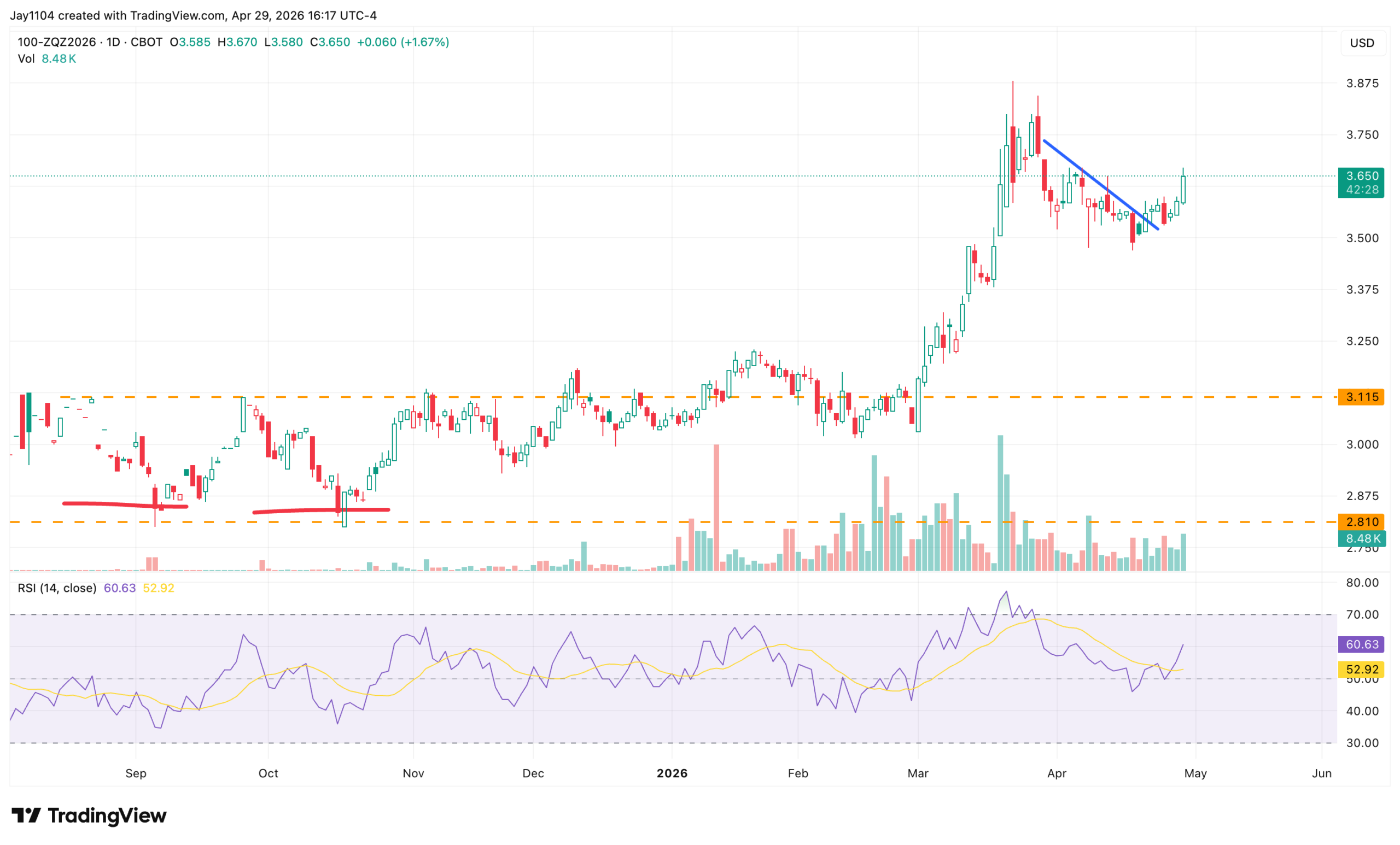
In the meantime, the 3-month Treasury bill 12-month forward is now trading 25 bps above the 3-month Treasury bill, implying that part of the market expects the 3-month Treasury rate a year from now to be 25 bps higher than it is today.
Let us not forget that today we have the Bank of England and the ECB, and failing to pay attention to them would be a mistake. If global rates continue to rise, U.S. rates are likely to move much higher from current levels. On Wednesday, the British 10-year closed at 5.07%, its highest close since June 2008, and it looks like it could rise further toward resistance around 5.25%. To me, this appears to be a breakout from a multi-year consolidation.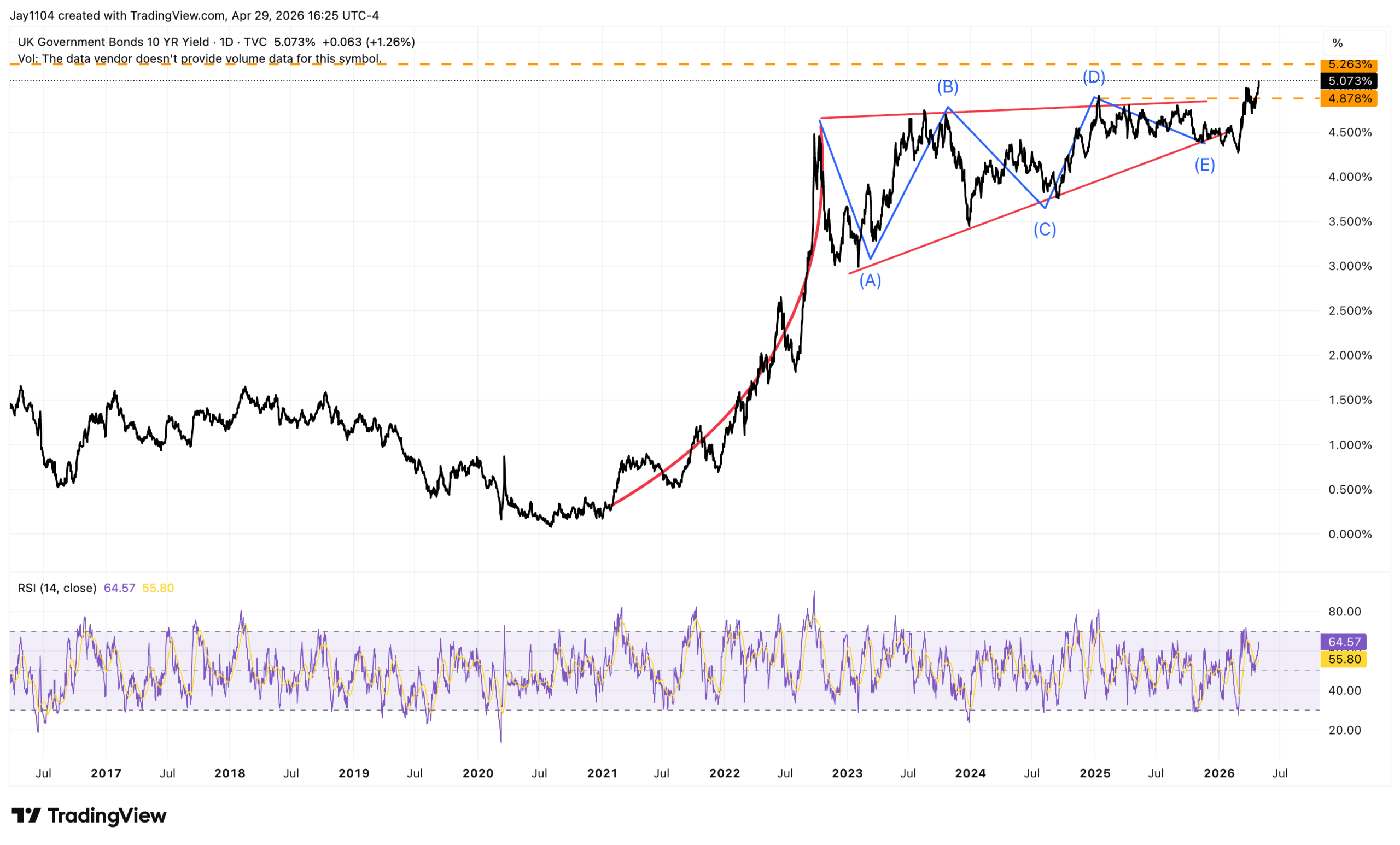
It appears to be a very similar situation for the 10-year in Germany
It may turn out to be true here in the US 10-year yield as well.
In the meantime, we are now past peak dispersion season, and we should start the unwinding process.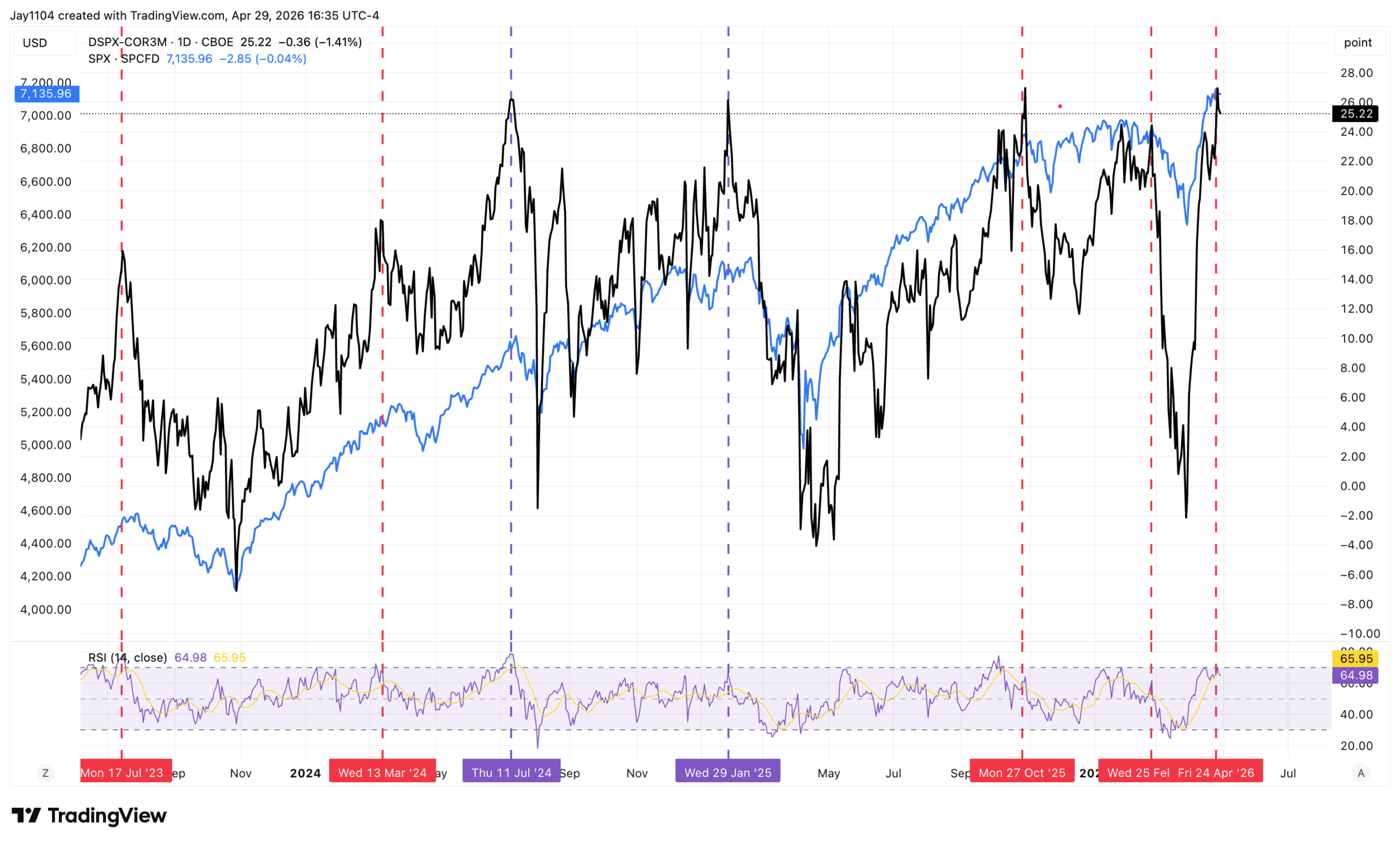
Meanwhile, as the dispersion season passes, the equity market is likely to start focusing on oil. I find it highly unlikely that both will continue trading together higher.