


Hungary
Ten counties, more than a hundred thermal springs and the sweetest wine in Europe, all built around one of the continent’s great river capitals. Hungary rewards travelers who soak in the baths, drink where the locals do, and give the regions a few days beyond Budapest.
Hungary punches above its price. Give it a week to ten days, base yourself in Budapest, and let the thermal baths and wine country set the pace.
Pack Lightly editorial team
At a glance
- Central Europe’s thermal-bath capital and a deep wine culture, anchored by one of the continent’s great river cities. Hungary scores 85 for culture and history.
- Budget around $40 a day backpacking, $95 mid-range. Hungary is one of the best-value destinations in the EU.
- Spring (April to June) and fall (September, October) are ideal. July and August are hot, and November to February is cold and gray.
- Five days covers Budapest and the Danube Bend. A week to ten days adds the wine regions, Lake Balaton or the eastern plains.
- The catch: Hungarian is unrelated to any neighbor’s language and near-impossible to guess. English is common in Budapest and thin outside the capital.
Everything to know before you book
The essentials for a Hungary trip: entry rules, money, the climate window and power, in one scan.
What Hungary does best, and where it doesn’t
Ten categories scored 0 to 100 from tourism data, traveler reports and on-the-ground experience.
History and safety lead, and Budapest alone carries the trip with its baths, ruin bars and Habsburg grandeur. Add the wine regions and the value is hard to beat in Europe.
Hungary is landlocked and mostly flat, so it leans city and culture over wild landscapes and adventure sport. The Bukk hills and Lake Balaton are the outdoor exceptions.
Best places to visit in Hungary
Twelve destinations that anchor most trips. Filter by region to plan your route.
Budapest
Thermal baths, ruin bars and Habsburg palaces split by the Danube, plus the grandest parliament in Europe and dinner for a fraction of Vienna’s price.Lake Balaton
Central Europe’s largest lake, ringed by beach towns, vineyards and the Tihany peninsula, and the summer escape for half of Hungary.Eger
A baroque town under a hilltop castle, famous for Bull’s Blood red wine and the cellars of the Valley of the Beautiful Women.Szentendre
A riverside artists’ town of cobbled lanes and pastel facades, an easy half-hour up the Danube from Budapest.Pecs
A warm southern city with a Roman necropolis, an Ottoman mosque turned church, and a Mediterranean streak in its squares.Danube Bend
The river’s sharp curve north of Budapest, lined by the Visegrad fortress, Esztergom’s basilica and forested hills.Tokaj
The homeland of sweet Tokaji wine, a UNESCO vineyard landscape of volcanic slopes and hillside cellars in the northeast.Debrecen
Hungary’s second city, a Calvinist stronghold with a great reformed church and the gateway to the Hortobagy plains.Heviz
A spa town near Lake Balaton built around Europe’s largest thermal lake, open for swimming year round.Tihany
A peninsula on Lake Balaton known for its crater lake, lavender fields, and Benedictine abbey.Szeged
A university city on the Tisza River rebuilt with Art Nouveau architecture after the 1879 flood.Keszthely
A town at the western tip of Lake Balaton known for the Festetics Palace and lakeside promenade.Western Hungary
The Great Plain
North of Budapest
Hungary at a glance
Click a pin to open that destination guide.
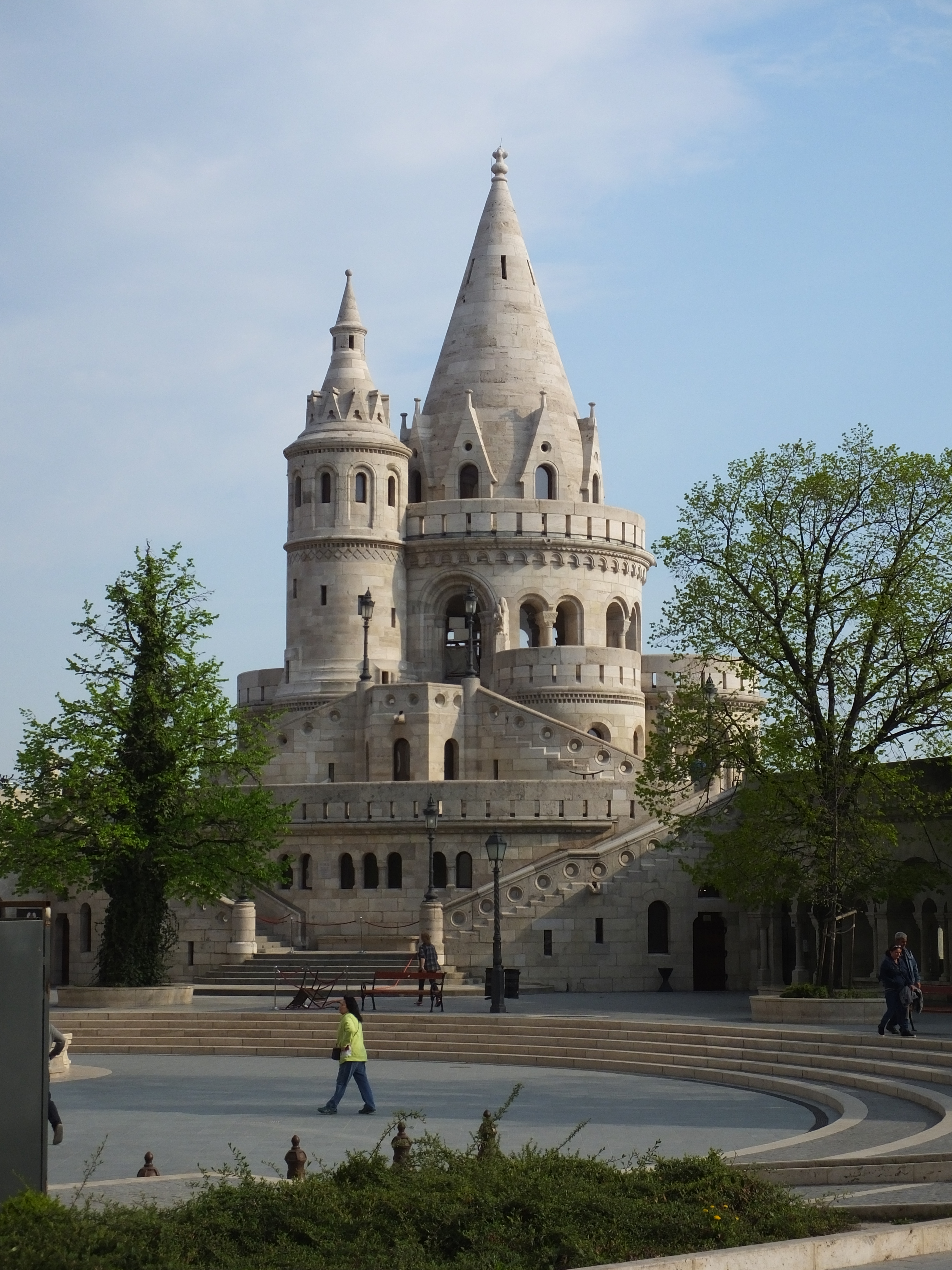

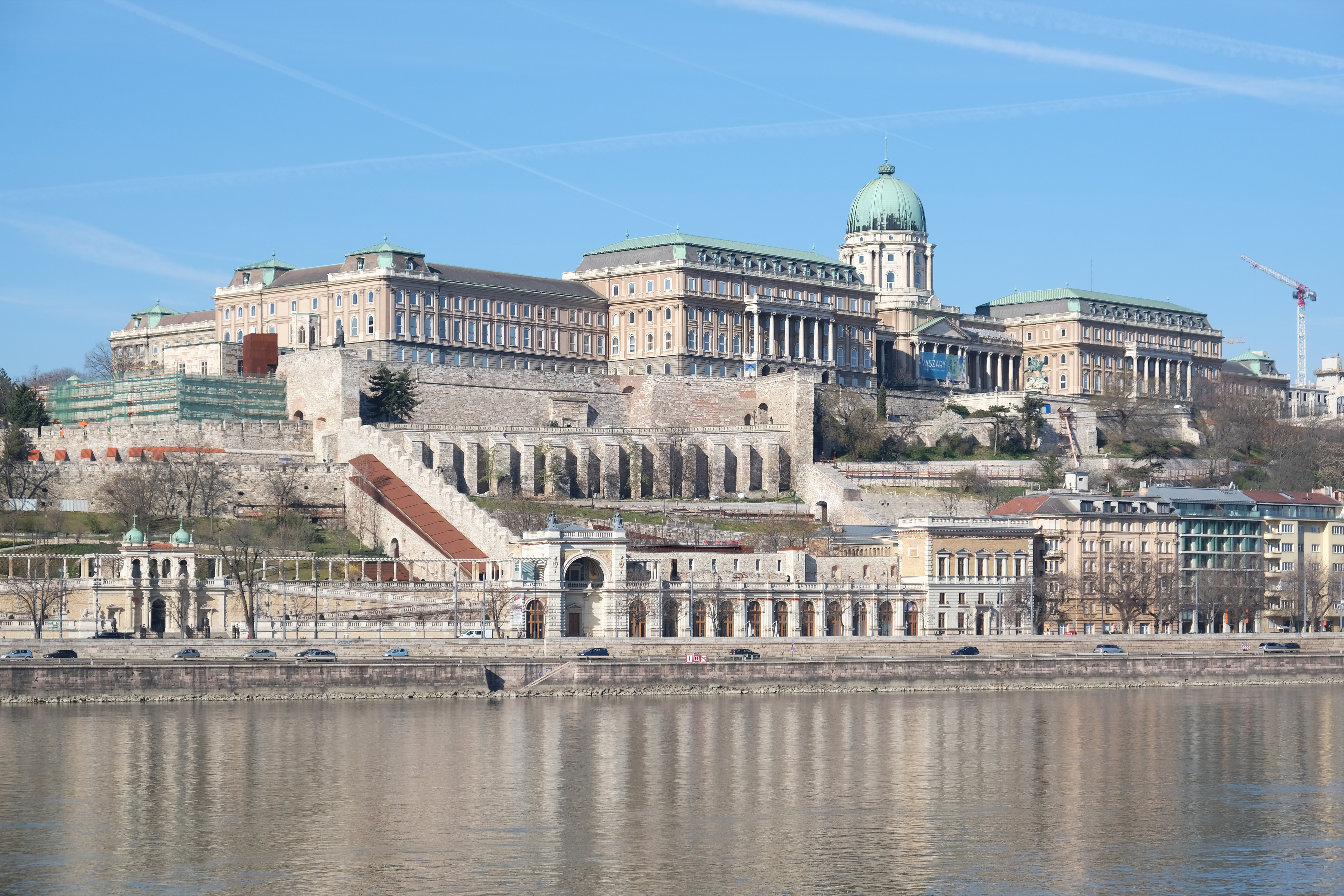


All Hungary guides
Every Pack Lightly guide for planning, preparing and exploring the country.
Planning & Logistics
Practical & Preparation

Plan your Hungary trip
A free Google Sheets template: itinerary planning, daily expenses, budget tracking and a packing list, with a dashboard that updates as you go.
Get the Free TemplateWhat Hungary costs per day
Per person per day in USD, drawn from the Pack Lightly budget calculator. Accommodation and food lead, and Budapest runs a little higher than the rest of Hungary.
Hungary, month by month
Budapest: temperature (°F) and rainfall (inches). Winters run cold and gray, summers warm up fast, and the shoulder seasons are the sweet spot.
Hungary in one first impression
A quick sweep of the country before you plan the trip.

What if…
Three ways to route Hungary
Tested itineraries built from the destinations above. Pick the one that fits the time you have.
Skip the eastern plains and go west: the baroque river cities near the Austrian border, the summer shores of Lake Balaton, and the Mediterranean-tinged south, an easy circuit by rail and road.
See the full day-by-day planBook your Hungary trip
Everything to sort before departure, at the same price as booking direct. It helps keep these guides free.
Before you commit
Why Hungary works
Budapest does much of the heavy lifting: thermal baths, a UNESCO riverfront, ruin bars in old courtyards and a dining scene that costs a fraction of Vienna or Prague across the border.
Beyond the capital the draw is wine and water. Tokaj and Eger pour some of Central Europe’s best bottles, Lake Balaton fills up every summer, and the whole trip stays cheap by EU standards.
Honest downsides
- The language is a wall. Hungarian is unrelated to any neighbor’s tongue. English is common in Budapest and scarce beyond the capital
- Taxi overcharging targets tourists at the airport and the tourist spots. Book a Bolt or use the official Fotaxi stand
- Cash still rules in small towns and markets. Carry forint even though Budapest takes cards everywhere
- Winter is long and gray. November to February is cold and overcast, though the baths and Christmas markets make up for it
Hungary with kids
An easy sell for families. The thermal baths double as water parks, Lake Balaton has shallow swimming beaches, and hilltop castles at Eger and Visegrad turn history into a climb.
Distances are short, trains and buses are cheap, and Budapest is compact enough to cover on foot and tram. Build in bath time and the days plan themselves.
Frequently asked questions
Do US citizens need a visa for Hungary?
No visa for tourism. US citizens can stay in Hungary and the wider Schengen Area for up to 90 days within any 180-day period. The ETIAS travel authorization, a quick online pre-approval, is expected to become mandatory at some point during 2026, so check before you fly.
How much does Hungary cost per day?
Budget around $40 per person per day backpacking, with hostels, self-catering and street food like langos. Mid-range is closer to $95 with hotels and restaurant dinners; comfort travel runs $210 and up. Hungary is one of the cheapest countries in the EU.
When is the best time to visit Hungary?
Spring (April to June) and fall (September and October) are ideal, with warm days and thinner crowds. July and August are hot and busy at Lake Balaton. November to February is cold and gray, though Budapest’s baths and Christmas markets shine in winter.
Is Hungary safe for travelers?
Yes. Hungary is a safe country for visitors, with a safety score of 85 in this guide. Violent crime against tourists is rare. The main issues are taxi overcharging and occasional pickpocketing in Budapest’s busiest tourist areas, so use Bolt and keep bags zipped on the tram.
How many days do you need in Hungary?
Five days covers Budapest and a Danube Bend day trip at a comfortable pace. A week adds the wine country at Eger and Tokaj, or Lake Balaton in summer. Ten days to two weeks reaches the eastern plains and the south without rushing.
Do you need to speak Hungarian to visit?
No. English is widely spoken in Budapest, at hotels, restaurants and the main sights, and German is common near the Austrian border. Hungarian is unrelated to any neighboring language and hard to pick up, but you will manage fine in the capital. Learn a few words for smaller towns, where English thins out.