
“Go tell the true story of my son.”
Those were the words Renatho Casseus’ parents shared with me when I sat with his family on the evening of Sept. 11. So that is what I intend to do.
In the days since Renatho was taken into federal immigration custody just steps from his morning classes, his name has become part of a much larger debate about immigration and enforcement. But before he becomes a political statement or another name in that debate, the public should know who he really is.
He is a second-year student working toward a better future for himself and his family, in good standing at San Diego City College, enrolled full-time in three classes this fall, and a participant in our Umoja and Extended Opportunity Programs and Services (EOPS).
Renatho dreams of becoming an engineer. He loves soccer and his family. He and his family entered the country legally and somehow have become the face of a broken political and immigration process. This is not a debate. This is a family hurting to understand how a college student with no criminal record could be targeted by immigration enforcement.
When I met with his parents, I met a couple of hardworking Haitians, who entered the country legally, who were frightened for their oldest child and enormously proud of the young man they raised. They showed me his certificates and his diploma from Crawford High School, and shared photographs of a young man who learned English, graduated and enrolled in college determined to build a better future.
Renatho also carries responsibilities many young people his age never experience: earning his driver’s license, driving his parents to and from work, and taking part-time jobs to help support his siblings, all while pursuing his education.
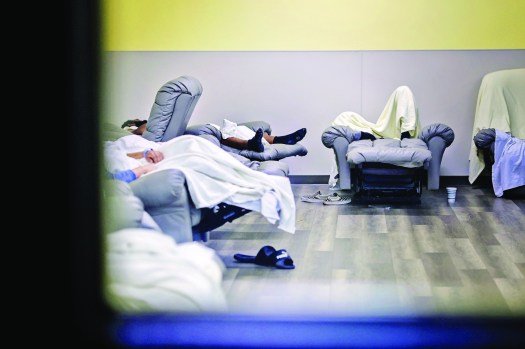
When I visited Renatho in immigration custody, I did not see a political symbol. I saw a scared young man separated from his parents, siblings, friends, professors and the campus community that had become part of his life, someone who should have been worrying about homework, soccer practice and which classes to take next.
On Sept. 8, the morning he was detained, he was doing something millions of college students do every day: traveling to class. Within minutes, an ordinary Tuesday became an event that changed his family’s life and deeply affected our college community.
Students and employees witnessed what happened near two of our major instructional buildings. Several stopped immigration officers from entering campus. Since then, many have expressed fear, anger and uncertainty about their own safety, and our counselors continue supporting students as our community processes what occurred.
Community colleges educate students whose stories reflect virtually every part of America: first-generation students, immigrants and refugees, veterans, working parents and students helping support entire families. We represent one of America’s greatest promises: Where you begin does not have to determine where you end. Renatho believed in that promise, and his story cannot simply become another argument about immigration.
There is a mother waiting for her son to come home. There is a father worried about his child. There are two younger siblings missing their older brother.
I told his family that his college had not forgotten their son. We will be with Renatho when he appears with his attorney in immigration court this Thursday. Those who know him will write letters of support telling the story of a flourishing student who deserves to return to his fall classes and continue his education.
They asked me to tell his true story. The true story is not complicated. His name is Renatho Casseus. He is a son. He is a brother. He is a soccer fan. He is an aspiring engineer. He is an Umoja and EOPS student. He is a San Diego City College student. He is a young man building a future for himself while helping his family build theirs.
Before we make him anything else, we should remember that he is a human being, not simply an immigration case or a political statement.
Shabazz, Ed.D., is the president of San Diego City College.