
- News
- Health News
- Is your desk snack stash secretly affecting your blood sugar? Doctors explain
Is your desk snack stash secretly affecting your blood sugar? Doctors explain

The office snack drawer may be hiding a bigger health problem
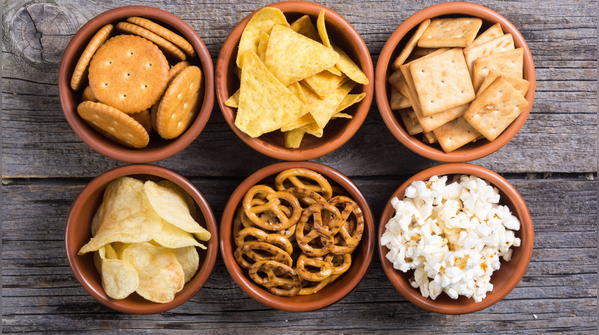
The modern workplace has changed the way people eat. Breakfast often happens during the morning commute, lunch is squeezed between meetings, and dinner comes late at night. In between, there are biscuits with tea, chips during presentations, energy bars during deadlines, and sugary coffee to survive the afternoon slump.
It may seem harmless. After all, a few snacks here and there do not look like overeating. But the body does not count meals the way people do. It responds to every bite.
India is already witnessing a worrying rise in metabolic disorders among younger adults. According to the Indian Council of Medical Research (ICMR)-India Diabetes study, more than 101 million Indians are living with diabetes and another 136 million have prediabetes, highlighting a growing metabolic health crisis in the country.
The concern is no longer limited to older adults. Increasingly, people in their 20s and 30s are showing early signs of insulin resistance.

Why constant snacking keeps insulin working overtime
Dr S K Wangnoo, Senior Consultant, Apollo Hospital, New Delhi, explained, "Healthy snacking once in a while is a part of a healthy diet; however, continuous snacking all through the day might lead to insulin resistance, especially if these snacks contain refined sugar and fats or excessive amounts of carbohydrates."
Insulin is a hormone produced by the pancreas. Its job is to move glucose from the bloodstream into cells, where it can be used as energy.
Every time food is eaten, especially foods rich in carbohydrates, insulin levels rise. Normally, they rise and then fall, allowing the body to return to a resting state.
But when someone keeps nibbling throughout the day, the body never really gets a break.
Dr Wangnoo said, "Continuous snacking during the whole day leads to continuous secretion of insulin, leaving no room for the body to reach back to the normal state. Cells can become resistant to insulin and stop responding to it, a problem which is called insulin resistance."
Think of it like a doorbell that keeps ringing. At first, the person inside responds immediately. But if it rings every few minutes, eventually the response becomes slower. Cells can react in a similar way when insulin levels stay elevated for long periods.
Over time, the body may need to produce more insulin to achieve the same effect, setting the stage for prediabetes and eventually type 2 diabetes.

Stress, poor sleep and desk jobs make the problem worse
Food is only one part of the story. Many young professionals spend eight to twelve hours sitting in front of screens. Physical movement becomes limited. Sleep gets pushed aside. Stress becomes a constant companion.
Dr Wangnoo noted, "Most young professionals consume excessive calories through biscuits, chips, carbonated soft drinks, energy bars, and snacks when working on their computers. When combined with sitting for long hours, lack of sufficient sleep, and elevated stress levels, this type of diet becomes dangerous."
Stress hormones also play a role.
"Stress causes elevated cortisol levels, which increase the likelihood of craving calorie-rich food and insulin resistance."
The afternoon sugar craving that feels like a reward after a stressful meeting may actually be part of a cycle that gradually worsens metabolic health.

Not every snack is the enemy
There is nothing inherently wrong with snacking. The problem lies in the frequency, quantity and quality of the foods being eaten.
Dr Wangnoo explained, "Not all snack eating is bad for one's health; the type, amount, and frequency of snacking become critical factors."
He recommends choosing, "Nutrient-rich snacks like nuts, seeds, fresh fruits, yoghurt, roasted chana, or sprouts."
These foods contain fibre, protein or healthy fats that help maintain satiety and reduce sudden spikes in blood sugar.

An overlooked question is this: Is the body actually hungry?
Dr Wangnoo points out that many people need to distinguish between being hungry, bored, stressed, or simply accustomed to snacking.
A packet of cookies often becomes a distraction from a difficult email. A cup of sugary coffee may be a response to fatigue rather than hunger. Understanding this difference can be one of the most powerful steps toward healthier eating.
Small habits today can protect metabolic health tomorrow
Preventing insulin resistance does not require an extreme diet or giving up every favourite snack. The answer often lies in structure and consistency.
Dr Wangnoo advised, "Young professionals should strive to have a schedule for main meals, choose balanced meals with enough protein and fibre, engage in some exercise daily and ensure adequate sleep."
A few practical habits can make a meaningful difference:
Eat regular meals instead of grazing continuously.
Include protein in every meal to improve fullness.
Keep healthy snacks visible and ultra-processed snacks out of reach.
Stand up and move every hour during work.
Prioritise seven to nine hours of sleep.
Learn to recognise emotional eating triggers.
Dr Wangnoo also cautions that certain signs should not be ignored.
"People who notice growing belly fat, feel sleepy after meals, crave sugar, and/or have a family history of type 2 diabetes should check their insulin resistance levels."
These symptoms may not always mean diabetes, but they can be early warning signs that deserve attention.

Medical experts consulted
This article includes expert inputs shared with TOI Health by:
Dr S K Wangnoo, Apollo Hospital, New Delhi.
Inputs were used to explain how frequent snacking, especially on processed and high-sugar foods, may contribute to insulin resistance in young professionals and why healthy eating habits, regular meals, and timely medical advice are important for protecting long-term metabolic health.
Featured In Health

