A Year In The Nature Journal: Week 3

Mammals Of The Woodland


In January most mammals are hibernating or experiencing torpor, and one of those mammals is the Eastern Gray Squirrel, as depicted here in my nature journal.

Squirrels are a favorite neighbor of mine, and luckily, they are a mainstay where I live. So I get to experience them year-round.
On this particular day in the nature journal, I had taken to the woodland looking for squirrels to illustrate. I went to the side of the woodland I don’t normally go to, near the barn. It was by the fence line that I accidentally startled a squirrel which jumped through the fence and hid in the brush. It was a quick sighting, so there was no chance to sketch the actual specimen I observed.

And although I want to do more from-life sketching and painting, I must admit I’m not experienced enough to sketch animals from life. Plants on the other hand stay still and as such, are easier to depict.
I want to encourage you to look for mammals or signs of mammals around you. Whether that be prints, scat, or the actual mammal. There are many opportunities for finding mammals in the winter, like squirrels of course. But that also included opossums, badgers, foxes, raccoons, deer, boar, coyote, etc.
It helps to do some research and familiarize yourself with mammals in your area. Good luck!

A Year In The Nature Journal: Week 2

(Catching up on the last two weeks)

Dead Leaves


In these winter months, it’s easy to feel discouraged when nature journaling. The natural world seems to be quiet and sleeping. But there is a lot happening that we may not see right away.
One of my favorite subjects to study in winter is dead leaves. They are so intricate and interesting. Brown and crinkled, they crunch under our feet while walking in the woodland or down the road.
In this second week in the nature journal I wanted to focus on the woodland floor and search for leaves of interest. I found several specimens I wanted to paint in the journal. I began by going to the brush pile where the chipmunks live. There is a Chinkapin oak tree and I set out with the intention of finding a Chinkapin oak leaf first. I found a beautiful leaf and after, found another. The creek bed runs into the brush pile and I went down into it. There I found two more specimens.
This spread contains the Chinkapin oak, post oak, American elm, and shag bark hickory.
See which leaves you can find in your backyard, in the woodland, on the sidewalk in front of your house, or the local park.

You can read A Year In The Nature Journal posts free on my Patreon

http://patreon.com/TheCountrysideChronicles

A Year In The Nature Journal: Week 1

(Catching up on the last two weeks)

Winter Mushrooms


It’s the first day of the year and the first day of A Year In The Nature Journal 2026! We are starting with winter mushrooms.
There are many species of mushrooms that appear in winter months like turkey tail, velvet shank, and lions mane.
So grab your nature journal and your pencil and head to the woods!
If you don’t have woodland accessible to you, you can look on logs in the garden, trees by the sidewalk, or go to your local park and look around.
Different mushrooms grow on different surfaces so it may help to do a little research before you head out. Read about the mushrooms in your area, look through a guide book, or watch a video.
Identifying your specimen is made much easier with tools. Like a guide book, a mushroom knife, a magnifying glass.
Most importantly, have fun looking for your winter mushrooms!

You can follow A Year In The Nature Journal free on my Patreon

https://www.patreon.com/TheCountrysideChronicles

Collecting Lichens And Mosses For Nature Study

Lichens are the result of a symbiotic relationship between a fungus and an algae or bacteria. In this partnership, fungi protect the algae and bacteria living below, while the algae and bacteria provide the fungi with food.

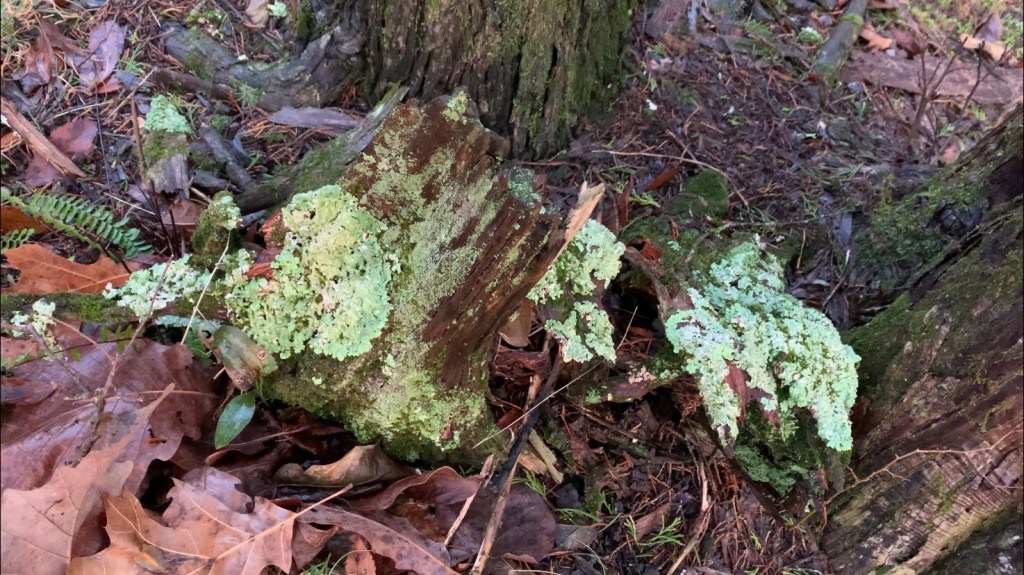
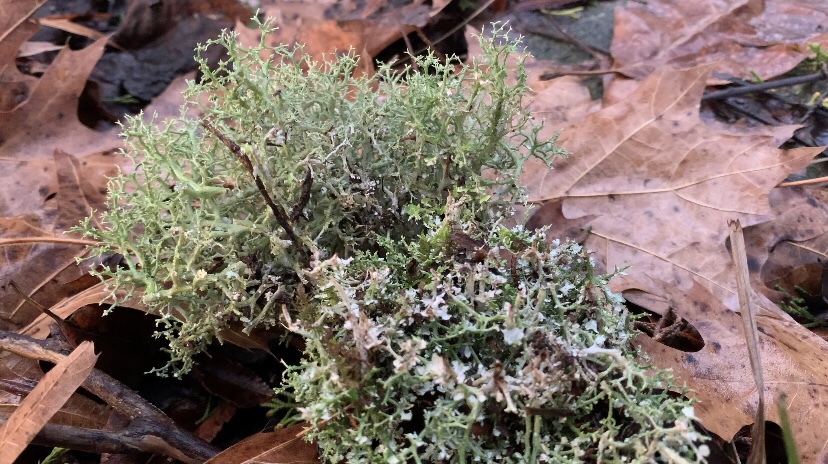
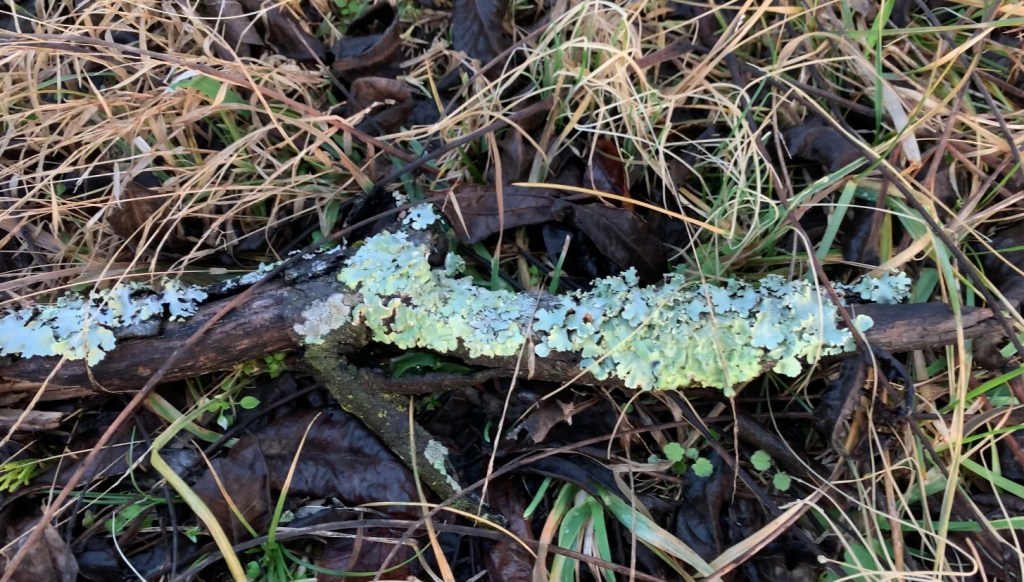
The two types of lichen we will be collecting today are the fruticose, or shrub-like lichen, which has tendrils and leaves, and the foliose, or leaf-like lichen, which grows in a layered effect (pictured above).

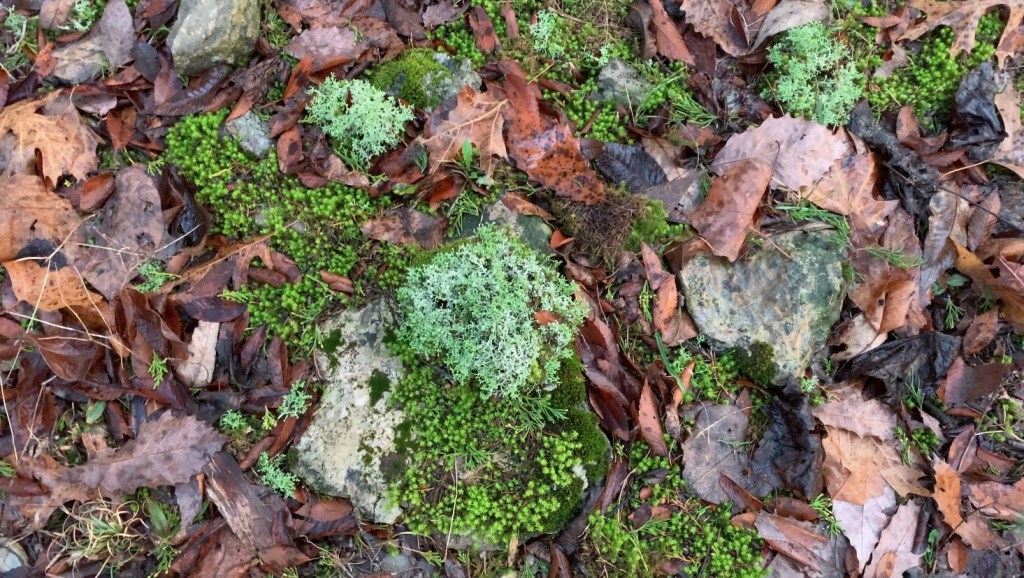
Mosses on the other hand are non flowering plants that don’t have roots.

Lichens and mosses are a great subject for winter study, as they begin to stand out once all of the leaves and foliage around them have become brown and dead. I typically go in search of lichens and mosses after storms, when they and the twigs they grow on have fallen to the forest floor, and they are glistening from the moisture. They are easy to spot at the base of trees, and if you look at the right time, you will find many different lichens around the bole of a single tree. Mosses can typically be found in shady wet areas. So if your backyard or woodland has a creek in it, chances are there is moss growing nearby.

Collecting lichens and mosses can be quite easy. All you need is a basket and your hands. Many lichens found fallen from trees can be easily picked up from the ground, as they are no longer attached to the branches from which they lived on. Other times you may find them still attached to twigs or bark. Mosses are easily collected as well, as since they don’t have a root system, they just sit on top of the surface they’ve grown on, whether that may be the ground or a rock. Some mosses like reindeer moss sit right on top of the soil as if it had been placed there by hand. Other mosses will have to be scraped off the soil.

Now that you know what to look for, it will be much easier to find nearby lichens and mosses. Once you start looking you will realize that there is an abundance of lichens and mosses in your area.

October In The Countryside

The leaves are beginning to turn all shades of yellow and red and fall from the trees with the gentle breeze. The shoreline is speaking swiftly, whispering not so quietly with an apparent awareness that the season has changed. Acorns and pine cones are found in abundance, dancing amongst the pebbles and fallen twigs. The roads are still except for the greetings of crows resting in the branches above our heads. Squirrels are quarreling in the litter made up of walnuts and corn. Mornings chill us with a fresh breath and evenings chill us with a heavy air.