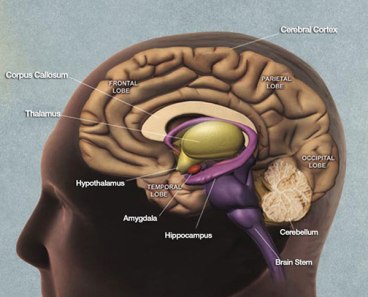
Smorgasbord Health Column – Food Safety – Toxoplasma Gondii – Pets are a joy but they also harbour unwanted visitors by Sally Cronin


Toxoplasma Gondii – Pets are a joy but they also harbour unwanted visitors

Handling food safely is of vital importance to our health. As children it is instilled in us that we must wash our hands after going to the toilet, and also before eating, but it is one of those rules that every generation learns, but is seldom explained in detail.

As a living organism we are host to parasites. Whilst we might like to think that it is only animals and particularly our pets that have worms and harmful bacteria, we provide just as welcoming an environment in our own bodies.

The real danger occurs in the very young and the elderly who tend to have either immature or repressed immune systems. The parasites or pathogens are able to take hold and overcome the bodies weakened defense systems.

Toxoplasma Gondii

There is one particular parasite that can not only cause problems for children and adults but also to an unborn foetus as well. This is Toxoplasma Gondii and the condition is called Toxoplasmosis.

Anyone who has been pregnant, will have been asked by their doctor if they have a cat, as this is the main source of this parasite. Cats are predators and they catch and eat infected rodents and birds. The parasite is then carried in the cat’s faeces and out into a litter box or soil. Kittens and young cats are the most likely to be infested with the parasite and it is estimated that over 80% of household cats carry the organism, with no signs or symptoms of the parasite infestation.

The parasite is then passed to the human through contact with the cat and then touching a hand to the mouth or by emptying the litter box without protective gloves. Also gardening without gloves, if you have a cat, it can expose you to the risk of infection as you work in soil they have contaminated.

If food is then prepared, the parasite will be passed onto the rest of the family. This is not the only way that we come into contact with the parasite. Most feral cats and even our own domesticated pets roam in other gardens and also in the surrounding countryside.  Grass and other feed crops are then grown in contaminated soil, and then fed to pigs, sheep and deer, which become infected with toxoplasmosis. We then handle and eat raw or under cooked meats becoming infected ourselves. We can also come into contact with the parasite on unwashed vegetables that have been grown in contaminated soil and then eaten raw in salads.

Symptoms of Toxoplasmosis

The great majority of us carry the toxoplasma parasite, but very few of us have the symptoms because the immune system, when healthy, keeps the parasite from causing illness. Some people who have toxoplasmosis may feel as if they have the ‘flu’ with swollen lymph glands or muscle aches. These symptoms can last for about a month. If you are concerned then do go and see your doctor and he may suggest a blood test to check for the parasite.

If a mother is infected before or during her pregnancy, she may not show any symptoms and neither will most babies at birth. However, a small percentage may be born blind or with some brain damage, but these symptoms usually develop over a period of time.

How to protect yourself from Toxoplasmosis.

In the first instance it is about maintaining a healthy immune system. This comes from eating a diet rich in vegetables, fruit, protein with some carbohydrates most of which should be unprocessed. Industrially processed foods, including refined sugars, should really only make up about 20% of your diet. There are a few basic hygiene guidelines that can minimise your chances of becoming infected with any parasites.

1. Always wash your hands with hot water and anti-bacterial soap after any exposure to soil, sand, litter trays, raw meat or unwashed vegetables.

2. Cook your meat completely so that there is no pink and the juices are clear.

3. Freeze any meat that you buy for at least three days before cooking as this will help kill any parasites.

4. Wear gloves when gardening or emptying litter boxes and always wash your hands afterwards.

5. Wash all surfaces such as cutting boards, knives and utensils used in the preparation of raw meats and unwashed vegetables in very hot, soapy water.

6. Make sure that you thoroughly wash, and if possible peel, all fruits and vegetables before consuming. This especially applies to salads and it is something worth considering when you are eating in a restaurant. Most will be complying with health regulations, but if you are in any doubt about the cleanliness of an establishment, then perhaps better to eat a cooked item on the menu. Also beware of a salad buffet where many hands may be touching the serving spoons before you.

If you are owned by a cat!

  1. It is not necessary to give up your pet if you get pregnant, but if possible get someone else to change the litter box every day, as the parasite does not become infectious until 24 hours after elimination.
  2. Your cat’s chances of becoming infected are reduced if you feed it cooked home prepared food or high quality tinned food.
  3. Do not be tempted to pick up stray kittens or cats if you are pregnant and wait until after the birth to get a new cat. Keep all your pets as parasite free as possible by using one of the number of natural products available. Check with your vet if you are at all concerned about the health of your cat

©Sally Cronin Just Food for Health 1998 – 2019

My nutritional background

I am a qualified nutritional therapist with twenty years experience working with clients in Ireland and the UK as well as being a health consultant on radio in Spain. Although I write a lot of fiction, I actually wrote my first two books on health, the first one, Size Matters, a weight loss programme 20 years ago, based on my own weight loss of 154lbs. My first clinic was in Ireland, the Cronin Diet Advisory Centre and my second book, Just Food for Health was written as my client’s workbook. Since then I have written a men’s health manual, and anti-aging programme, articles for magazines and posts here on Smorgasbord.

If you would like to browse my health books and fiction you can find them here: https://smorgasbordinvitation.wordpress.com/my-books-and-reviews-2019/

As always delighted to get your feedback and questions. This is not intended to take the place of your doctor’s presence in your life. But, certainly in the UK, where you are allocated ten minutes for a consultation and time is of the essence; going in with some understanding of how your body works and is currently functioning can assist in making a correct diagnosis.

Some doctors believe that a little knowledge is a dangerous thing. However, I believe that understanding our bodies, how it works, how we can help prevent health problems and knowing the language that doctors speak, makes a difference.  Taking responsibility for our bodies health is the first step to staying well.

Thanks for dropping in and I hope you find useful.. Sally.

Smorgasbord Health Column – Major Organs and Systems of the body – The Heart – Part Two – Angina, Arrythmia and Valve disorders by Sally Cronin


I appreciate that many of you who have been kindly following the blog for a long time will have seen this post before. However, if you are new to Smorgasbord, I hope you will find interesting.

Last week I looked at the structure and function of the heart: Part One

The Heart – Part Two – Angina, Arrythmia and Valve disorders

One of the main causes of angina and heart disease is atherosclerosis and that is where we should start when looking to change our lifestyle and diet.

Atherosclerosis is the hardening of the arteries as a result of plaque that has built up in the arterial walls narrowing the blood vessels and restricting the flow of oxygen rich blood to the heart and other organs such as the brain. Atherosclerosis accounts for almost 75% of deaths from cardiovascular disease.

Plaque build up in arteriesWhat is Angina?

Angina (angina pectoris) is a type of temporary chest pain. There are a number of types but the two, stable and unstable both indicate that there is likely to be coronary heart disease.

Stable angina attacks occur after vigorous exercise that requires additional blood to be sent to the heart. An attack might last from one or two minutes to fifteen minutes. Activities that also increase the risk of an attack are cigarette smoking, stress, abrupt changes in temperature or altitude, heavy meals that are not given time to digest and sudden exertion such as running for a bus or upstairs. These types of attack are also described as “predictable” as they tend to happen between early morning and noon. One reason for this may be the body’s inability to go from a state of complete rest to fully active immediately on getting up in the morning. Like an old car, it takes time to get all functions working efficiently especially if arteries are blocked and oxygen is in short supply.

Unstable angina is more dangerous as it is also unpredictable and will last longer than fifteen minutes. It can occur at rest and without any previous history of heart disease and should be treated as an emergency as it could indicate that the person is just about to suffer a full heart attack.

What are the symptoms of Angina?

People who suffer from angina describe the pain as crushing, burning behind the breastbone and as if there is a weight resting on the chest. The pain can radiate out from the chest and affect the neck, arms, jaw and the abdomen. Women are more likely to experience abdominal pain during an angina episode and it makes it more difficult to establish the problem. The person might also feel light headed and experience a faster than normal heartbeat (arrhythmia)

Some attacks are accompanied by nausea, sweating confusion and dizziness. These kinds of symptoms, particularly in the elderly add to the difficulty of diagnosing the problem.

Whether the episode lasts a minute or longer you should get it checked out. There is a strong possibility that if the attack occurs after eating a very heavy meal that you might be suffering from indigestion. But, if this is happening frequently the causes need to be identified and treated.

However, if the pain has moved from under your diaphragm and you are experiencing discomfort in any of the other areas that I have mentioned above, and the attack lasts for more than a few minutes you should definitely seek medical help.

What are the treatment options for Angina?

The medication most commonly prescribed is Nitrates such as nitro-glycerine that dilates the walls of the blood vessels allowing more blood and therefore oxygen to reach the heart. If there are repeated angina episodes then there could be the addition of beta-blockers and calcium channel blockers.

Beta-blockers slow the heartbeat and also reduce the strength of the muscle contractions taking some of the load off the organ.

Calcium channel blockers block the entry of calcium into the cells. This dilates the coronary arteries and increases the heart’s blood flow.

Antiplatelet and anticoagulant drugs inhibit the formation of blood clots by inhibiting the platelets that normal bind together. Aspirin is often prescribed in a relatively low dose, which a patient can take daily.

There are a number of surgical options for advanced stages of atherosclerosis and therefore increased angina attacks. These include angioplasty, stenting and coronary artery bypass grafting.

Blocked artery 3 - Baloon inflatedAngioplasty is a procedure where a balloon-tipped catheter is inserted in the blocked coronary artery and inflated. The balloon compresses the plaque against the walls of the artery, which increases the blood flow. This is usually combined with the inserting of a stent via the catheter. A stent is a small mesh tube that holds the damaged artery open allowing for increased blood flow.

A coronary bypass is a far more invasive procedure, which involves the grafting of the patient’s own veins and arteries, from other parts of the body, around the damaged blood vessels thus by-passing the blockage.

What can we do to prevent Atherosclerosis and Angina?

One of the most important preventative measures that you can take is to learn about your own body and also the medical history of your immediate family. It is more likely that if your parents, grandparents suffered from heart disease or diabetes then you may also be at a higher risk of the same problems. Diabetes sufferers are more likely to suffer from heart problems and monitoring this through regular blood tests is important if there has been a family history of the disease. Having this knowledge gives you the opportunity to make lifestyle choices that reduce your risk of developing heart disease in your own lifetime.

First and foremost you must give up smoking cigarettes, as this is a major contributor to heart disease.

Cigarette smoking increases the risk of coronary heart disease by itself. When it acts with other factors, it greatly increases risk. Smoking increases blood pressure, inhibits oxygen uptake during exercise and increases the tendency for blood to clot. Smoking also increases the risk of recurrent coronary heart disease after bypass surgery.

In the last three years I have written several blogs regarding both the unhealthy type of LDL cholesterol which has smaller platelets and when oxidised (likely with a poor diet of refined sugars and industrially produced foods) it clumps in the arteries causing blockages and narrowing the blood vessels.

Other common heart conditions.

Apart from Angina, there are a number of other conditions that affect the heart. The good news is that most are either preventable or can be supported with a few changes to your lifestyle.

Arrhythmia and problems with your heartbeat

  • Arrhythmia is an erratic and abnormal heart rate. This is most commonly caused by blocked coronary arteries.
  • Sinus tachycardia is a regular heartbeat but too fast, usually over 100 beats per minute. It can also be caused by over exertion or stress.
  • Atrial fibrillation is caused by abnormal electrical activity and the result is a heartbeat between 300 to 500 beats per minute.
  • Ventricular tachycardia is caused by damaged heart muscle resulting in an ineffective heartbeat of between 120–220 beats per minute without the power to push the blood through the system.

Heart murmurs

We normally cannot hear the blood actually flowing through the heart but sometimes there may be some unusual noises that are called murmurs. These indicate that the smooth flow of blood has become unstable due to structural damage inside the heart. This is commonly caused by damage to the valves between the atria and the ventricles which causes either narrowing or leaking.

Heart valve disorders

As with any part of the body, the heart valves are subject to wear and tear. Our heart function is totally dependent on the pumping action and therefore on the health of the valves. There are two types of abnormality, stenosis which is a narrowing of the valve, allowing less blood through and an incompetent valve which allows blood to leak back down into the ventricles through an improperly closed valve.

Some valves can be corrected surgically but it is quite common these days to have the valves replaced completely restoring normal heart function. The replacement valves are made from metal and plastic, which may require medication to prevent clotting, or animal or human tissue which is not as long lasting but does not cause clots.

Next time some foods to include in your diet to help maintain a healthy heart. It may also help you lose weight and if you have read yesterday’s post you will know that the heart beats over 3 billion times in a lifetime and as with any pump it wears out.

Just losing a stone in excess weight can reduce the number of times your heart has to beat every day significantly – saving a million heartbeats a year will extend the life of your heart and therefore your life.

©Sally Cronin Just Food for Health 1998 – 2019

My nutritional background

I am a qualified nutritional therapist with twenty years experience working with clients in Ireland and the UK as well as being a health consultant on radio in Spain. Although I write a lot of fiction, I actually wrote my first two books on health, the first one, Size Matters, a weight loss programme 20 years ago, based on my own weight loss of 154lbs. My first clinic was in Ireland, the Cronin Diet Advisory Centre and my second book, Just Food for Health was written as my client’s workbook. Since then I have written a men’s health manual, and anti-aging programme, articles for magazines and posts here on Smorgasbord.

If you would like to browse by health books and fiction you can find them here: https://smorgasbordinvitation.wordpress.com/my-books-and-reviews-2019/

As always delighted to get your feedback and questions. This is not intended to take the place of your doctor’s presence in your life. But, certainly in the UK, where you are allocated ten minutes for a consultation and time is of the essence; going in with some understanding of how your body works and is currently functioning can assist in making a correct diagnosis.

Some doctors believe that a little knowledge is a dangerous thing. However, I believe that understanding our bodies, how it works, how we can help prevent health problems and knowing the language that doctors speak, makes a difference.  Taking responsibility for our bodies health is the first step to staying well.

Thanks for dropping in and I hope you find useful.. Sally.

Smorgasbord Health Column – New Series – What causes your Cravings – Part One – Dehydration by Sally Cronin


What causes your Cravings – Part One – Dehydration

Welcome to a new series on a sensation that has been blamed for our consumption or over consumption of certain foods since we were old enough to make excuses! How often do we tell ourselves or others that ‘we crave’ chocolate, crisps, cheese, soda, fried food or even something non-food related… such as dirt or coal?

We tend to assume that our craving is a form of addiction that only one food or drink can satisfy, but in fact it is more likely that it is our body reacting to a lack of an essential nutrient absent from our regular diet. Or that we are under stress and that has resulted in a imbalance in our hormone production.

During this series every fortnight, I am going to be looking at some of the causes of a craving, whether it is a need for an essential nutrient or is down to a habit that has formed or because we are stressed. I will also give you the food fix that will supply that nutrient or suggest some strategies to cope with an unreasonable expectation for a food by your body and your mind.

There is one reason to get out of the way before focusing on individual cravings and that is our bodies reaction to be dehydrated to varying degrees. One of the sensations that is often confused with dehydration is hunger. Your body needs an essential nutrient and it is going to prompt you to get it…. being dehydrated reduces the available nutrients that your body needs and by having a glass of water containing minerals might satisfy that craving.

Dehydration.

Recently I noticed that there were a few articles by the experts in the field of nutrition on the subject of hydration. What worried me in particular was that they were touting the belief that you don’t need to drink anymore than your usual cups of tea and coffee as you will obtain sufficient from the food that you eat.

It is true that eating fresh vegetables and fruit will provide you with some fluids but it is still not enough to supply your body with life giving fluids.

We can live for around 6 minutes without air, 6 days without fluids and 6 weeks without food. The very young and the elderly however have a much shorter window than 6 days before dehydration begins to cause severe health issues. In my experience of elderly care most are suffering from borderline dehydration resulting in urinary tract infections, increased symptoms of dementia and if not reversed can become life-threatening very quickly.

Why do we need fluids?

We are as humans made of protein with the few other bits and pieces thrown in. Protein has an extremely high water content and if we were wrung out to dry we would lose approximately 75% of our body weight. It would be a great way to lose weight if we could just plug in a hose and siphon off a couple of gallons from time to time but unfortunately that would be another failed fad diet.  Each major organ consists of fluid including the brain 70% the lungs 90% and 80% in blood. As you can imagine, if those major organs become dehydrated the body is going to demand immediate action.

As an estimate we need 1 litre of fluid for every 50lbs of body weight.

So if you weight 10 stone..140lbs – 63kilos.. you would need 2.5 litres per day in varied fluids.

We need oxygen, fluid and food in that order

Not all fluids are created equal

  • It is important to look at the quality of the fluids that you then are taking in.
  • If you are eating a diet that is high in industrialised food, any fluid in the food will be contaminated with artificial flavourings, colourants and hydrogenated fats in many cases.
  • If you drink a lot of  coffee, which acts as a mild diuretic (and if you have gallbladder disease or have had it removed, diarrhea)
  • Alcohol is a toxin that not only dehydrates the body but also impairs your kidney and liver function preventing them for removing those toxins from your body.
  • Drinking fizzy sodas, diet or otherwise disrupts the blood sugar levels in your blood.
  • Drinking mineral water with a high sodium level can disrupt the balance of electrolytes in your system
  • You can obtain fluid content from fruit and vegetables but depending on your environment (warm, hot) they would not be sufficient to supply all you need.
  • Teas, especially green tea and herbal teas do contribute to your daily fluid allowance but essentially there is no substitute for water.

Here are the symptoms of dehydration that reinforce that concept.

Fatigue and sluggishness.

Our bodies are about balance and they work very hard to maintain the equilibrium whether it is between calcium and magnesium, blood sugar levels, blood pressure, acidity and alkalinity. Even the smallest changes in fluid balance can affect all the other functions within the body including heart function as the organ has to work harder in order to supply the body with the oxygen and nutrients it requires.

As you become more dehydrated your body will begin to make some executive decisions in order to ensure its survival if fluid intake ceases altogether. It redirects blood to the muscles and away from skin areas resulting in a malfunction in our cooling and heating system. We heat up internally resulting in muscle cramps, light-headedness and fatigue.

Because most of us take in at least some liquid our bodies are left in a state of readiness, not quite dehydrated but not receiving the essential fluids it needs to perform efficiently. This means that we are in a constant state of near exhaustion and with inefficient processing power.

Headaches

As in any part of the body, the brain relies heavily on fats and fluid in the correct balance to function. Loss of fluids thickens the blood, causing the heart to work harder to pump oxygen and nutrients around the system. The brain function is dependent on both oxygen and nutrients and if you are dehydrated it will be affected to varying degrees. Headaches will also vary in severity to mild, just behind the eyes to full blown migraines.

The other consequence can be a feeling of disorientation similar to mild forgetfulness with a touch of dizziness and vertigo.

Skin problems.

There are two issues regarding our skin health and dehydration. One is the inability to flush out toxins from the body, which accumulate in the tissues and in the kidneys and liver. This can result in dry, scaly skin and conditions such as eczema and psoriasis. Additionally water is nature’s moisturiser not only keeping our tissues moist and flexible but also keeping the nutrient rich blood flowing to the tiny capillaries near the skin. Water is actually one of the most effective anti-ageing agents you can use and it is very cheap.

Painful joints and muscles.

Cartilage has a very high water content and dehydration will affect its ability to cushion joints preventing friction, pain and swelling.

I have already established that with sufficient water you can dilute toxins and help flush them from the body but if you are dehydrated the immune system controls are unable to function and bacteria, viruses, heavy metals, poisons accumulate. If you combine lack of exercise to stimulate the circulatory system and dehydration you will suffer both joint and muscle pain.

Poor digestive function.

The digestive process requires fluid. If you drink a pint of water half an hour before a meal (you should not drink excessive amounts with a meal as it dilutes the stomach acid needed to process food) it will pass through the stomach into the intestine and back into the mucous barrier of the stomach. This barrier retains sodium carbonate, which is needed to neutralise acid as it passes through the mucous.

If you are dehydrated too much acid passes through and causes cramps.

Food intolerances and immune system malfunction.

When the body is dehydrated and toxins have accumulated the body’s defence mechanism is activated and histamine is released causing a reaction to anything else that you then put into the system such as food. There are certain foods that have a profile that is allergenic, for example, wheat, tomatoes, spinach, strawberries, seafood, aubergines and peppers. If your body is on the defensive the whole time it will react negatively within a very short space of time. This immune system overload obviously leads to an inability to fight infections, resulting usually in antibiotic intervention and a vicious circle develops.

Thirst and hunger.

There are two issues here. One is the lack of nutrients that are getting around the body in a timely fashion and the other is the hunger/thirst triggers for the body.

Lack of fluids kills the body within about 6 days and over our evolution the body has set up a communication system that will flash messages from the brain to your mouth which will then get dry and uncomfortable until you drink water. Unfortunately we override this messaging system by drinking anything we can lay our hands on in the form of sugar-laden soft drinks, designer coffees and sometimes alcohol. As these really do not satisfy the body’s requirement for pure water to work with you end up being thirsty again in a very short space of time. We develop cravings in an effort to satisfy the demand, which usually includes salty or sweet foods.

Hunger pangs are other signals that your body requires nourishment but if the body is dehydrated it can get confused with the thirst messages. After two or three days of drinking sufficient fluid in a day you will notice a marked reduction in both cravings and hunger pangs.

How to drink fluids.

  1. I have a large glass (500ml) first thing in the morning with a squeeze of lemon – in the winter I have a large mug of hot water with the juice of a lemon. This not only gives me a shot of Vitamin C but has an alkalising action on the body. Viruses and bacteria thrive in an acidic environment.
  2. I drink a normal tea and a coffee in the morning and two peppermint or green teas in the afternoon. –1.5 litres.
  3. I have a litre bottle of water on the go all day that I sip from when I am working.
  4. During the summer months with warmer temperatures in Spain I would have added add an extra 500ml per day.
  5. If I am on the treadmill for 30 minutes I also have an extra glass (of water)

N.B – If you are overweight you will need additional fluids: 1 litre of fluid for every 50lbs of body weight.

And I might have a glass of wine… but more than that and it begins to have a dehyrating effect.

I hope you have found helpful. As the warmer weather begins make sure you have a bottle of water in the car, out for a walk and make sure small children are kept hydrated with small drinks regularly throughout the day. This also applies to pets who can only pant to cool down and should always have fresh water available. Many of them will also enjoy an icecube as a treat.

In two weeks I am going to be covering the essential nutrients your body might be missing if you have one of the most popular cravings… for chocolate.

Thanks for dropping in and I hope you have found this useful… Sally.

My nutritional background

I am a qualified nutritional therapist with twenty years experience working with clients in Ireland and the UK as well as being a health consultant on radio in Spain. Although I write a lot of fiction, I actually wrote my first two books on health, the first one, Size Matters, a weight loss programme 20 years ago, based on my own weight loss of 154lbs. My first clinic was in Ireland, the Cronin Diet Advisory Centre and my second book, Just Food for Health was written as my client’s workbook. Since then I have written a men’s health manual, and anti-aging programme, articles for magazines and posts here on Smorgasbord.

If you would like to browse by health books and fiction you can find them here: https://smorgasbordinvitation.wordpress.com/my-books-and-reviews-2019/


Smorgasbord Health Column – Major Organs and Systems of the Body – The Heart and how it works – Sally Cronin


It is over two years since I focused on the heart, and in that time the statistics for heart health and deaths from heart disease have not improved dramatically. In fact recent research is indicating the increase in obesity rates is resulting in an increased risk of heart disease

We often refer to the heart as our emotional centre. When in fact our heart works in response to stimuli from our brains and the amount of blood that is pulsing through it via the circulatory system.

We can feel and hear our heart beating and it is perhaps only when we hear it miss a beat of have palpitations that we give it much thought. We can speed our heart rate, buy strenuous exercise for example, and also slow down (with practice) by using relaxing techniques and breathing exercises. However, the rest of the time it is on automatic pilot.

It is important to have some understanding of how the heart works, before moving on to working on strategies to keep it pumping for as long as possible.

The Heart.

The heart is the pump that powers the circulatory or cardiovascular system formed by a network of arteries, veins and smaller blood vessels. Blood is continuously pumped out from the heart around the venal and arterial circuits carrying oxygen and vital nutrients to all parts of the body. The arteries take the blood away from the heart and the veins bring the blood back.

Chest x-ray showing heart positionThe heart itself is a muscle, approximately the size of a clenched fist, and is shaped like a large upside down pear, located just to the left of the centre of the chest.

The heart weighs around 11 ounces or 310 grams and rests in a moist chamber, called the pericardial cavity, between the lungs and surrounded by the rib cage.

The muscle is called the myocardium and forms a shell around four cavities or spaces inside the heart that fill with blood. The two upper cavities are called atria and the bottom two spaces are called ventricles. Each side of the heart is separated by a wall called the septum and a valve connects each atrium to the ventricle below it. The valve on the left side of the body is called the mitral valve and the right side connection is called the tricuspid valve. The Endocardium lines the inside of the heart, and the heart valves, and the pericardium is a fibrous sac surrounding the heart.

Heart labelledThe top of the heart is connected to some major blood vessels – the largest being the aorta, or main artery, which carries the nutrient rich blood away from the heart to the rest of the body. Another important blood vessel is the pulmonary artery, which connects the heart to the lungs.

The two largest veins that carry blood back to the heart are called the superior vena cava and the inferior vena cava. The superior vena cava takes de-oxygenated blood from the head and the arms to the right atrium, and the inferior vena cava brings de-oxygenated blood back up from the legs and lower body also into the right atrium.

The cardiac muscle contracts between 70 and 80 beats per minute and if it is to last the normal life-span it will beat over 3 billion times. This means that the muscle has to be incredibly strong and healthy.

De-oxygenated blood always returns to the body through the right side of the heart into the atrium and then onto the lungs to pick up the oxygen. It is then returned to the heart where it enters the left side into the atrium and ventricle to be pumped to all the other parts of the body in a continuous cycle.

How does the heart beat?

The heart beats automatically without our thought or intervention and the number of beats is maintained by an electrical impulse that originates from the body’s own natural pacemaker called the sinoatrial node. The electrical impulse is sent through the atria which stimulates a contraction then through to the atrioventricular node where it will pause for a fraction of a second before continuing down special conducting fibres to the ventricles, causing them to contract.

Specific nerves called autonomic nerves, the main one being the vagus nerve, regulate the amount of times our heart beats. The ideal rate is maintained at around 70 beats at rest but is then speeded up during exercise or stress. The cardiac nerves react to messages sent from the hypothalamus, in the medulla part of the brain, and the beat rate will also increase when the “fight or flight” hormone, adrenaline, is released. This increases the amount of blood and therefore oxygen that is made available to the heart and the rest of the body.

Risk factors for heart disease and stroke are largely similar for men and women.

  • Factors such as age and family history play a role, but it is estimated that the majority of CVD deaths are due to modifiable risk factors such as smoking, high cholesterol, unhealthy diet, high blood pressure, obesity, stress or diabetes
  • Heart disease was associated with men until the last twenty years and now cardiovascular disease (CVD) – heart disease and stroke – is the biggest killer of women globally, killing more women than all cancers, tuberculosis, HIV/AIDS and malaria combined.

Next time I will be covering Angina and other common heart health conditions.

©Sally Cronin Just Food for Health 1998 – 2019

My nutritional background

I am a qualified nutritional therapist with twenty years experience working with clients in Ireland and the UK as well as being a health consultant on radio in Spain. Although I write a lot of fiction, I actually wrote my first two books on health, the first one, Size Matters, a weight loss programme 20 years ago, based on my own weight loss of 154lbs. My first clinic was in Ireland, the Cronin Diet Advisory Centre and my second book, Just Food for Health was written as my client’s workbook. Since then I have written a men’s health manual, and anti-aging programme, articles for magazines and posts here on Smorgasbord.

If you would like to browse by health books and fiction you can find them here: https://smorgasbordinvitation.wordpress.com/my-books-and-reviews-2019/


Smorgasbord Health Column – Food Safety – #Lysteria – You cannot see it but it sees you..the perfect host! Sally Cronin


Last week I covered the dangers of salmonella, despite the government and food safety experts telling us that it is now safe to eat under cooked eggs: Preparing Eggs Safely

Food Safety – #Lysteria – You cannot see it but it sees you..the perfect host!

Also last week in the UK headlines, the appalling cover up about the percentage of prepared sandwiches, supplied to hospitals and care homes that contain Listeria.. and it is only the fact that three patients died and other are seriously ill that it has been uncovered.

In the papers: Health bosses ignore warnings about contaminated sandwiches

  • Health bosses have been accused of repeatedly ignoring warnings over the deadly risks of contaminated sandwiches.
  • Three patients have died and another three remain seriously ill after eating sandwiches infected with listeria – a deadly foodborne bacteria – at two hospitals in the North West.
  • But research by the Government’s own health agency had previously warned that one in 40 hospital and care home sandwiches may be contaminated.

I am sure that if you are a regular reader of my health blogs you already know that I am not an advocate for industrialised foods. Some of our food is processed before it reaches the end user and some of that does involve making sure that it is safe to consume.. such as pasturised milk.  But as in the case of eggs last week, some of those that find themselves into the food chain and into packaged food does not necessarily come from regulated sources.

There is also the intervention of humans and their bacteria into the equation and whilst reputable food providers will ensure that their workers are suitably clothed including wearing gloves, there are no guarantees.

The sandwich manufacturing industry as worth about £8 billion a year according to an article in the The Guardian.

With prices ranging from £1.50 to £10.00 on the shelves of supermarkets, garages, newsagents and provided to schools, hospitals and care homes.. we are talking billions of sandwiches each year with many being produced in unregulated premises.

You might ask why do more people not become ill after eating a sandwich that contains listeria… Well we all have the occasional mild stomach upset and say to ourselves that something we ate must have disagreed with us!  Difficult thought to pinpoint the culprit since it could have been a food that was eaten in the last 24 to 72 hours.

In the case of listeria infection it is even more complex as it came take three weeks for symptoms to appear!

If we have a robust immune system we shrug it off, but if we are a child, someone with a compromised system, or are elderly it can have a devastating effect.

Here is more about listeria….

We often hear horror stories of insects or small animals found in food that we buy – let me tell you the worst thing is to find only half an insect or small animal after you have eaten the rest of the food!!

There is no doubt with careful hygiene and thorough cooking methods in the home the risks are minimised but more and more we are becoming social animals who eat out in restaurants or who compromise and buy ready prepared meals in our local supermarket.

I cannot say in all honesty that everything that I put into my mouth is prepared by me alone from fresh, guaranteed organic sources. With the best intentions in the world it is impossible not to have food in your house that has not passed through several human hands before reaching our table. Although food handling regulations are much tougher I am afraid the realisty that many of those hands will have been unwashed!

The best that we can do is prepare from scratch when possible and ensure that we cook all food to the correct temperatures that are sufficient to kill the majority of bacteria and viruses.

Listeria is a genus of rod-shaped bacteria found in animal and human faeces, on vegetation and in some soil and water. It is a parasite that thrives in warm and cold-blooded animals including of course humans.

A member of the Listeria family is called monocytogenes and can cause the illness listeriosis. It is unfortunately very resistant to a number of first line defences such as freezing, drying and to some extent heating. It can grow in temperatures ranging from just above freezing to 113 degrees Fahrenheit which includes the temperature range we use for refrigeration.

The most common source of infection is ready to eat meat foods including hot dogs, cut meats, dry sausage and pre-cooked poultry. Although the preparation of dairy products such as soft cheese includes pasteurisation the food can become contaminated after cooking.

Since many sandwiches are made from meat or poultry and contain raw salad which could also be contaminated, you are at risk if they have been made without the strictest food safety protocols in place.

Who is most at risk of infection?

As is usual in these cases the very young and very old are the most vulnerable. However with Listeria pregnant women are definitely at risk, which is why it is usual to recommend they do not eat products such as soft cheese during their pregnancy. They are at risk of miscarriage or premature labour and the infection of the new-born baby.

Anyone who is already ill and has a weakened immune system will be susceptible especially those undergoing cancer treatments. Certain medications can leave you open to infection such as cortisone.

Most healthy children and adults are resistant to Listeria and most people who are infected will recover within a few weeks. There have been cases however that have developed into life threatening conditions such as blood poisoning, meningitis or encephalitis.

Holidays are fun and going abroad to some sunshine is a welcome break from our sometimes inconsistent summers.. but do take into account that not all countries have the same rigid food safety standards as your home country. Most of the EU has adopted similar and stringent practices but you do need to be careful about where you buy prepared foods from.. And this also applies to eating in hotels where the salad bar looks enticing but is still raw food and may be contaminated.

What are the symptoms of a listeria infection?

One of the problems connected with detecting the presence of the virus is the length time between contamination and the first symptoms appearing which is usually around three weeks. It is further complicated by the varied nature of the symptoms but the most common ones are similar to the flu with a fever and muscle aches. There will likely be a gastric upset and in most cases stiff neck, headache and confusion.

The danger in the case of a pregnant woman is that she might only experience mild flu like symptoms and be unaware of the danger to her unborn child.

How do we prevent infection?

It is impossible to eradicate Listeria completely but you can take precautions that will limit your exposure. Making your own sandwiches if possible is not just the safest as long as you follow food safety guidelines, but is considerably cheaper too… about a quarter of what you would pay for a manufactured sandwich.

  • Unless you are confident that you are buying sandwiches from an established and reputable provider (most major supermarkets for example have a reputation to maintain, but still check sell-by dates).
  • Bear in mind that sandwiches are made with food products from multiple sources and even if they are not contaminated they may become so during the production of the finished sandwich.
  • As with all food you really must prepare appropriately.
  • As with other bacterial and viral contaminants I have covered, storing your food correctly is very important. Always store your meat and poultry at the bottom of the fridge so that they cannot drip on other foods and always put cooked foods on plates that have not held the raw meat.
  • Wash your own hands regularly and encourage your family to do so, as they are likely to be in and out of the kitchen and fridge at some stage during the cooking process.
  • Thoroughly cook and re-heat meat, fish and egg products and do not consume raw even if you are an avid steak Tartare fan.
  • Do not drink milk that has not been treated. Even if you live on a farm, milk straight from the cow could have been contaminated by the animal’s faeces.
  • Keep your kitchen and utensils spotless using very hot water and soap.
  • Wash all vegetables and fruit thoroughly.
  • Ensure that any soft cheeses are from a reputable source. Buying direct from the market or from the supermarket deli counter may not be the wisest choice. At least if the product is wrapped and sealed at source it will have not had the same opportunity to be infected. Some of the cheeses that are possible sources of the infection are Feta, Brie, Camembert, Blue Cheeses and other cream cheeses, as these have not been pasteurised.
  • When you have cooked food never allow to stand for more than two hours before eating. They should be kept at temperatures above 140 degrees Fahrenheit; anything below that and the L. monocytogenes will thrive.
  • When you are out for a meal do not accept any meat that is totally uncooked in the centre, particularly minced beef products such as burgers. Send back and ask for a fresh plate, bun and salad.
  • Always refrigerate food that you have bought within two hours of purchase. Take cooler bags with ice packs to the supermarket if you are intending to be longer than that.
  • If you are pregnant you should avoid the above soft cheeses altogether along with smoked fish, sushi and pates and meat pastes from the deli. Canned pates and meat spreads have been treated to prevent bacterial infection but they contain preservatives and other additives that you may wish to avoid.

How do you treat listeriosis?

  1. If you develop a stomach upset with flu like symptoms and a stiff neck it is likely that you have listeriosis, although a blood test would be needed to confirm that diagnosis.
  2. Go to your doctor and if he determines that is the problem you will be treated with antibiotics. Pregnant women will be treated immediately and this will help to protect the foetus from infection.
  3. As with any gastric upset the very young and elderly become dehydrated very quickly which can lead to further complications. Always ensure that you are taking in plenty of fluids to help your body flush through the virus and as soon as you can eat foods that will help your body boost both your immune system and restore your friendly bacterial balance.
  4. Onions and garlic have anti-bacterial properties and drinking green tea can also help.
  5. When you are ready to eat food, prepare vegetable soups and eat bananas to help restore mineral and electrolyte balance.
  6. Do not drink alcohol or other stimulants as your liver needs to recover and get on with the job in hand which is eliminate toxins from your body.
  7. Rest and allow your body to recover before undertaking any exercise or any vigorous activity.

If symptoms persist for more than 24 hours with small children and the elderly or 48 hours if you are normally a fit adult then you should talk to your doctor.

It is not my intention to stop anyone from buying sandwiches that have been pre-prepared but it is important to be aware of the risks and to also take action should you develop any food related health issues.

©Sally Cronin 2019

My nutritional background

I am a qualified nutritional therapist with twenty years experience working with clients in Ireland and the UK as well as being a health consultant on radio in Spain. Although I write a lot of fiction, I actually wrote my first two books on health, the first one, Size Matters, a weight loss programme 20 years ago, based on my own weight loss of 154lbs. My first clinic was in Ireland, the Cronin Diet Advisory Centre and my second book, Just Food for Health was written as my client’s workbook. Since then I have written a men’s health manual, and anti-aging programme, articles for magazines and posts here on Smorgasbord.

If you would like to browse my health books and fiction you can find them here: https://smorgasbordinvitation.wordpress.com/my-books-and-reviews-2019/

Thank you for dropping in today and I look forward to your feedback and questions.. Sally

Smorgasbord Health Column – Cook from Scratch to prevent nutritional deficiencies with Sally Cronin and Carol Taylor – Vitamin B12 (Cyanocolbalamin) combined with Vitamin E.


In this series we look at cooking and your diet from a different perspective. Usually we emphasize the health benefits of food and how they can be incorporated into your diet. But, what happens if you do NOT include them in your diet.

We wanted to share with you what happens if your body is deprived of individual nutrients over an extended period of time.

Thankfully most of us eat reasonably well, with plenty of variety, but if you take a look at a week’s worth of meals, do you find that you are sticking to a handful of foods, all the time.

Variety is key to good health, to provide your body with as broad a spectrum of nutrients as possible that the body needs. Taking a supplement or relying on shakes and bars to provide your daily allowance of vitamins and nutrients is not in your body’s best interest. Giving it foods that the body can process and extract everything it needs is vital.

Over the next few months we are going to be working our way through the most essential of these nutrients and I will share the symptoms that you might experience if you are becoming deficient in the vitamin or mineral and list the foods where you can find the nutrient.

Carol Taylor is then going to provide you with some wonderful recipes that make best use of these foods… Cooked from Scratch.

Vitamin B12 (Cyanocolbalamin) is an essential water-soluble vitamin but unlike other water soluble vitamins that are normally excreted in urine very quickly, B12 accumulates and gets stored in the liver (around 80%), kidney and body tissues. B12 is vital for the efficient working of every cell in the body especially those with a rapid turnover as it prevents cell degeneration. It functions as a methyl donor and works with folic acid in the manufacture of DNA and red blood cells and also is necessary to maintain the health of the insulating sheath (myelin sheath) that surrounds all nerve cells. It is involved in the production of melatonin, the hormone responsible for resetting our biological clock’s rhythm when we change to new time zones, and also helps us sleep.

The most common disease associated with B12 deficiency is pernicious anaemia, which is characterised by large, immature red blood cells. You can find out more about anaemia in a post HERE

But other diseases and medical conditions associated with a lack of this vitamin are:

• allergies,
• Alzheimer’s disease,
• asthma,
• low blood pressure,
• multiple sclerosis,
• tinnitus
• low sperm counts.

How do we become deficient in B12?

We actually do not need a huge amount of the vitamin per day, around 2 micrograms or 2millionth of a gram. The problem is that it is not particularly well absorbed by the body so larger amounts are needed in the diet to supply the amount we need. Absorption of B12 requires the secretion from the cells lining the stomach of a glycoprotein, known as the intrinsic factor. The B12-intrinsic factor is then absorbed into the ileum (part of the small intestine) with calcium.

One of the issues regarding deficiencies is that many people have turned away from the richest sources of B12 because they believe either that they are harmful, fattening or will raise levels of cholesterol. Liver, kidneys and eggs have not enjoyed wonderful press over the last few years and many people have also reduced the amount of cheese they eat believing that it is fattening.

Plant sources of B12 are virtually non-existent and many long term and dedicated vegetarians have been found to be deficient. Over use of antacids, inflammation of the stomach lining (Helicobacter pylori infection) and pancreatic problems can also lead to deficiency as the secretion of the intrinsic factor is compromised. There is some evidence that women with breast cancer have lower levels of B12 and there are indications that women after menopause with very low levels were more likely to develop the disease. It is not clear if the deficiency is caused by the cancer in the body or the other way around.

Some drugs have inhibited the uptake of B12 such as those prescribed for diabetes and ulcers and there is a great deal of research into these interactions.

As we age our ability to process our foods becomes less effective with enzyme production reduced such as the secretion of the intrinsic factor necessary for B12 absorption. Added to the fact that many elderly people suffer from a lack of appetite and you have a higher risk of malnutrition.

An interesting piece of research proposes that it is possible that Vitamin E may protect the process of absorption of B12 by preventing oxidative damage to cell membranes. If so a deficiency in this vitamin may well affect our B12 levels. (Which is why the recipes today also contain Vitamin E rich foods)

What food sources are there for Vitamin B12?

B12 is present in beef, offal like liver, eggs and dairy.. also mackerel, shellfish such as clams and crabs, fortified cereals and tofu, Marmite and cottage, feta and mozzarella cheese.

It is better to drink a cold glass of milk than to eat yoghurt as the fermentation process destroys most of the B12 as does boiling milk.

There are very few sources, if any of B12 in plants, although some people do believe that eating fermented Soya products, sea weeds and algae will provide the vitamin. However analysis of these products shows that whilst some of them do contain B12 it is in the form of B12 analogues which are unable to be absorbed by the human body.

Eating foods containing Vitamin E may help the absorption process and the best sources for this are in nuts such as the walnuts, sunflower seeds, whole grains, eggs, spinach, apples, bananas, broccoli, brown rice, carrots, onions and oily fish.

Most cereals and breads today are fortified with B12 as are yeast extracts (marmite) and vegetarian products.

Time to hand you over to Carol Taylor who has been creating dishes that include ingredients that are great sources of these two vitamins.

The vitamin B12 is not found in as many food sources as other vitamins however Vitamin E is said to aid the absorption of B12…

Starting today with a recipe for Beef and Broccoli …The beef is a very good source of the B12 vitamin and the addition of broccoli and onions is your source of the Vitamin E…

Beef and Broccoli stir fry.

Ingredients:

• 500 gm of beef tenderloin
• 4 cups of broccoli florets
• 3 tbsp of Oyster sauce
• 2/3 cloves of garlic crushed
• A 2 in piece of fresh ginger julienned
• 1 small brown onion cut into 6
• 2 spring( green) onions sliced
• I tbsp of soy sauce
• 1 tbsp of sesame seeds lightly toasted
• 2 tbsp of vegetable oil I used coconut oil
• 1 chilli finely slice( optional)

Let’s Cook

Slice the beef finely into 3 in strips put in a bowl and add the ginger, garlic and oyster sauce then massage the sauce into the meat…Yep, get those hands in there once done set to one side until you have prepared all your ingredients.

Add 1 tbsp of oil to a pan and heat to med to hot not smoking and add your beef stir fry until your beef is cooked to your liking then remove from the pan and set to one side.

Add 1 tbsp of oil and add the onions stirring until they start to soften but not colour and add the broccoli at this point I added a dash of hot water and cook for 2-3 mins, then add the beef back into the pan and if using add your spring onions and the soy sauce…Check your seasoning and adjust if required. Then sprinkle with the toasted sesame seeds…

Serve with Brown Rice…

Now if you really don’t like brown rice then add a really good handful of chopped watercress to white rice and leave for about 10 mins before you serve the rice and the heat from the rice will wilt the watercress which is a very good source of Vitamin E. It is also a lovely addition to rice which everyone in this house loves.

My taste testers loved it…Lily didn’t like the white onions and wanted more of the green onions and her mum suggested the addition of a few mushrooms and of course a chilli or two so I am guessing that is how take two will pan out but it got the thumbs up from Aston who if anything contains beef or meat he will eat it…He is a growing lad after all and I have even managed to convert him to Brown Rice…

How about a nice old fashioned banana milkshake??

Just take a ripe banana and blitz it with ½ tbsp of honey until it is nice and creamy about 2 minutess and then add 1 cup of full cream milk and blitz for 2 mins…You now have a lovely fresh milkshake …Containing your B12 from the cold milk and your Vitamin E from the banana…

Quick and easy to do and delicious…

Beef and mushrooms with pasta.


Ingredients

• 250 kg beef mince…grass fed
• 2 tbsp diced onion
• 1-1/2 cups quartered fresh mushrooms
• 3/4 cup Burgundy wine or beef stock
• 1/2 cup fresh stock if using beef stock then water
• 1 bay leaf
• 2 cloves garlic crushed
• Salt to taste
• Pepper to taste
• 2 cups uncooked medium egg noodles (about 4 ounces) cooked as per packet instructions.
• 1 tbsp all-purpose flour

Let’s Cook!

Add a good splash of olive oil to a pan and heat on a medium heat add the diced onions and cook stirring until they soften slightly add garlic, bay leaves and minced beef.

Cook stirring until the mince is browned and add wine or stock bring to a rolling boil and reduce the heat and cook for about 15 mins and then add the mushrooms. Add some water if required cook for a further 10 minutes and season and taste.

Cook your pasta as per the packet instructions and when cooked add the mince mixture to the pasta stir gently to combine and check the seasoning.

Serve with steamed vegetables or a side salad and add some grated parmesan or cheese of your choice… Enjoy!

We love smoked mackerel and it is a very good source of B12 and with apple, horseradish and either watercress or spinach it makes a lovely light healthy salad with some lovely whole grain bread with grass fed butter.

I get lovely fresh smoked mackerel from my local market and I love this salad so quick and easy…

All you need to do is wash and grate an apple, add some horseradish freshly grated if not a tsp or two depending on your taste from a jar will suffice. Take a couple of large handfuls of either spinach or watercress and toss the apple, horseradish and some good olive oil and then flake your smoked mackerel and add to the salad…Eat straight away…

Nothing is simpler to make or tastier as a light lunch…

I hope you have enjoyed these recipes if you have any questions please ask either Sally or myself will be happy to answer xx

My thanks to Carol for preparing these delicious dishes to ensure you and your family are obtaining adequate amounts of vitamins such as B12 and Vitamin E in your diet. 

You can find out more about Carol and catch up with her Food and Cookery Column HERE

Connect to Carol via her blog: https://carolcooks2.com/

Thank you for dropping in today and if you have any questions for either of us then please do not hesitate to ask in the comments. Your feedback is always welcome.

Smorgasbord Health Column – The Brain – Shopping list for the Brain and its support systems by Sally Cronin


It is two years since I posted this series on the major organs of the body and how they work and I am always looking for research updates to share with you. Dementia, Alzheimer’s Disease and other related conditions are rarely out of the headlines and it is probably everyone’s worst fear. There is a genetic link to some forms of dementia,but it is not as common as lifestyle related deterioration of the brain.  Even though we are living longer, dementia is not an automatic progression and understanding how this amazing organ works and what it requires to be health, is vital.

Part three: Lowering the risk of dementia

Before I share the foods that can contribute to brain health, I also wanted to offer some areas that you might make a note of if you are a carer of an elderly family member.

  1. As we age and get into our 80s in particular, there is usually a decrease in our exercise levels. It seems that this also coincides with a decrease in appetite that results in a reduction in the level of nutrients we are taking in.
  2. Most people over 80 are likely to have also lost a large number of teeth and although most will have dentures this will impact the ability to chew foods. This results in a reliance on soft foods and often excludes proteins such as beef, lamb, etc that contain higher amounts of vital B-vitamins and iron.
  3. Our taste buds too will become dulled and so food can be tasteless unless lots of salt or sugar are added. And it is easier to eat a dunked biscuit or a piece of cake than to eat a wholegrain sandwich made with salad and chicken. The entire digestive system will also be less effective and this means that any food consumed may not be processed in the gut as it should be, which naturally leads to malnutrition.
  4. I recommend making high nutritionally dense foods that are easy to eat but still provide essential vitamins and minerals.. Soups made with the stock made from chicken or beef bones.. 5 or 6 different vegetables such as carrots, spinach, celery, sweet potato, onions, mushrooms and broccoli and then blitzed and then diluted with some whole fat milk to make a rich and creamy soup. Served with an egg sandwich in soft wholegrain bread, butter. You get the idea.
  5. Apart from making sure that food is as nutritionally dense as possible, I also recommend a high quality vitamin and mineral supplement. This can be a problem because with a less efficient digestive system, large tablets will go right through without stopping to release their contents. Also they need to contain some specific nutrients such as Vitamin D.. B-Vitamins, particularly B12 as well as calcium and iron etc. There are some liquid options which are excellent and also some chewable soft jells which are more digestible.
  6. If your elderly relative begins to show signs of forgetfulness and confusion, do get them checked for a urinary tract infection. It is very common in the elderly and has the same symptoms. This has led to a great many misdiagnosis of dementia and should always be asked for. To counteract this.. place a hand sanitizer in the bathroom for use before going to the toilet as well as afterwards. Also a glass of cranberry juice with breakfast may help keep the urinary tract clear of bacteria.
  7. This leads me on to dehydration. This is extremely common amongst the elderly who are inactive, are in a warm environment and who rely on a cup of tea three times a day for their liquid intake. They usually also refuse additional liquid, particularly close to bedtime because of the effort of getting up in the night. Many of the symptoms of dementia are the same as dehydration. This can be a tough one but I suggest that as well as a juice with breakfast and a cup of tea, that you dilute a 500 ml bottle of water with some freshly pressed apple juice with a sports cap so it is easy to drink and put it by their chair. You can refill after lunch and make sure that they drink that before their final cup of tea after supper. That should prevent dehydration and also having to get up too much in the night.
  8. Do check the side effects listed for any medication that they are taking as some can result in confusion.
  9. Whenever you can encourage them to get up and move around the house or the garden, twice a day at the minimum. And if you can get them out in the fresh air, even in a wheelchair it will benefit them in many ways, including stimulation.

Some articles on the connection between food and dementia

One of the leading causes of most disease is inflammation in the body, and that includes the brain. Some spices help reduce inflammation and are well worth including in meals on a daily basis.. a small teaspoonful in main meals or as a tea which is how I prefer to ingest it.

Much Lower Rate of Alzheimer’s Disease in India

The rate of AD in India is about 4.4-fold less than that of the United States. While there are probably many factors that account for the difference, the fact that curcumin is consumed daily in curry spice from a very early age can’t be overlooked. Even though the daily amount of actual curcumin from turmeric is smaller in that case, the cumulative effect is considerable.

So in recent years, researchers have been looking at the effects of curcumin extracts – which have much higher levels of the compound than dietary turmeric – for treating AD.2,3
Curcumin Stops Brain-Harming Inflammation

The connection between inflammation and Alzheimer’s can’t be overstated. Neurons are especially susceptible to inflammation or other injury, and the release of inflammatory compounds in the body can be neurotoxic. This includes tumor necrosis factor-alpha (TNF-a), interleukin-1-beta (IL-1β), free radicals, including nitric oxide (NO) and others. Curcumin has a great potential for a therapeutic role because it works through multiple inflammatory pathways: Curcumin for Health

Inflammation is part of the body’s immune response. It alerts your body to a wound or injury, like when your ankle will start to throb and swell after a sprain, so your immune system can fix it. It’s not just external injuries that cause inflammation, however. Things like a lack of sleep, excessive stress, genetics, and—what might be worst of all—the wrong diet can all contribute to inflammation.

By “wrong diet,” we’re talking about the typical American diet which is full of inflammation-inducing foods. Think: fried foods, refined flours and sugars, hormone- and antibiotic-laden animal products, synthetic sweeteners, and artificial food additives. So if you’re constantly noshing on these items, your body will begin to transition into a state of chronic inflammation. Top anti-inflammatory foods: Eat This anti-inflammatory

Shopping list for the Brain and its support systems

The first key element to eating for brain health is to omit industrially processed foods that contain harmful toxins and additives that have zero nutritional benefit and effectively ’empty’ calories. They might supply sugar and trans fats and look appetizing on a plate, but the brain will not recognize them as anything it can process. Processed foods Vs. Industrially manufactured foods

If you eat plenty of fresh vegetables, fruit, some moderate whole grains, nuts and seeds, good quality meats and cold water fish that have not been farmed, you are doing a great job.

For the brain to function efficiently it needs other systems in the body to be healthy.

The immune system is the barrier between the external world and all its contaminates and the brain. So your first line of defence is to keep that fed with the nutrients needed to produce all the various types of blood cells needed to repel opportunistic pathogens.

The digestive system needs to be in tip top condition so that food that is eaten is processed effectively so that the nutrients can be passed into the bloodstream and up to the brain.

The respiratory system needs to be maintained and giving up smoking and taking in clean fresh oxygen is essential… without that oxygen, carried by the blood, your brain with slowly die.

There are some key nutritional elements for brain health that will be supplied by the following list including B-Vitamins, Vitamin C, Vitamin D, Vitamin E, Essential Fatty Acids, Amino Acids, Magnesium, Iron, and Zinc.

You can find out how to incorporate foods high in specific nutrients in this series: https://smorgasbordinvitation.wordpress.com/cook-from-scratch-to-avoid-nutritional-deficiency-with-sally-cronin-and-carol-taylor/

Shopping List for the brain and your other major organs providing the basic nutritional requirement for the body.

Vegetables – carrots, red peppers, broccoli, spinach, cauliflower, corn on the cob- any dark cabbage or Brussel sprouts, onions, mushrooms, tomatoes, watercress, dark lettuce leaves, cucumbers, celery, avocados and potatoes. (any other fresh seasonal produce you enjoy) At least five or six portions a day – use a cupped handful as an estimated portion size.

Lower Fructose Fruit Bananas, kiwi, strawberries and any dark berries that are reasonably priced – try frozen. Enjoy all fruit in season at least three portions a day.

Hot lemon and water first thing in the morning will not only give you a Vitamin C hit, start your digestive process off but will also help with sugar cravings.

Wholegrains – brown rice- wholegrain bread – whole wheat pasta – weetabix – shredded wheat – porridge oats.Please do not buy sugar or chocolate covered cereals – more sugar than goodness. Carbohydrates are an important food group. However, as we get older and less active you really only need a large spoonful of rice or potatoes on a daily basis. if you suffer from a Candida overgrowth be aware that it may not be the yeast in bread that causes a problem but the sugar or its substitute.
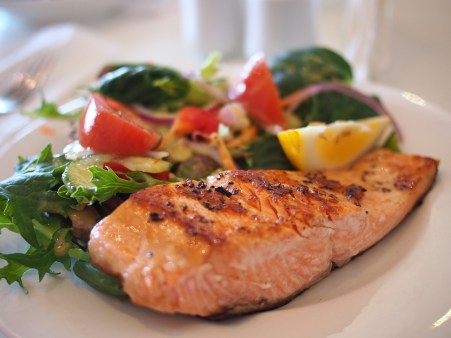
Fish – Salmon fresh (sea caught not farmed) and better quality tinned Salmon. Cod – haddock (again frozen can be a good option) any white fish on offer – shellfish once a week such as mussels. Tinned sardines, Tuna and herrings – great for lighter meals. (any fish that is available fresh not from farmed sources)

Meat and poultry chicken or turkey – lamb, beef and pork. Do buy high quality, organic if it is reasonably priced but you will find that most supermarkets stock local meats and poultry and will state if they are from free range sources. The best source of nutrients is grass fed animals and this includes eggs and dairy.. Our requirement for Vitamin K2 is not met by grain fed animals.

Home cooked lean ham for sandwiches is very tasty but cheap sliced ham can contain too much additives. By an unsmoked ham joint from the butcher or supermarket as it will work out cheaper than buying sliced ham already prepared.  To remove excess salt bring to the boil and simmer for half an hour, drain and add fresh water to the pan and bring to the boil for the rest of the cooking time.

Venison is a high quality protein if  you enjoy it. Liver provides a wonderful array of nutrients served with onions and vegetables is delicious.

Tofu for vegetarians has become more accessible and can be used by non vegetarians once a week to provide the other benefits of soya it offers. Bacon once a week is fine but do bear in mind that most processed meats contain a lot of salt.
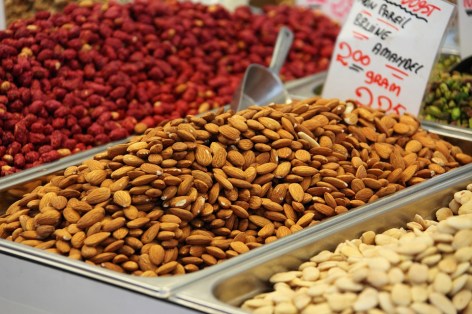
Nuts and seeds – to put on your cereal in the mornings or as snacks – check prices out in your health food shop as well as supermarket. Almonds, Brazil nuts, pumpkin seeds, flaxseeds, walnuts.

Dairy and Eggs– Milk, butter and cheese (better to have the real stuff than whipped margarine) – organic yoghurt. Free Range Eggs – have at least three or four a week.

Oils – Extra virgin Olive Oil (least processed) – great drizzled on vegetables with some seasoning and also eaten the Spanish way with balsamic vinegar on salads and also drizzled over toasted fresh bread. If you do not like the taste of Olive Oil then use Sunflower oil – do not use the light version of any oil as it has been processed heavily – use the good stuff. You can also use coconut oil for cooking and also for use on salads.

Herbs and Spices – Turmeric (curcumin) with black pepper for better absorption. Sage, Ginko Biloba (Chinese have used in the treatment of brain disorders for thousands of years), Ginger anti-inflammatory.

Honey and extras –You really do need to avoid sugars refined and in cakes, sweets and biscuits but honey is a sweetener that the body has been utilising since the first time we found a bee hive and a teaspoon in your porridge is okay. Try and find a local honey to you. Dark chocolate – over 70% a one or two squares per day particularly with a lovely cup of Americano coffee is a delicious way to get your antioxidants.

Sauces – If you buy your sauces in jars and packets they will have a great many more ingredients than you bargained for. One of the worst is sugar or its substitutes. The greatest cooking skill you can develop is to be able to make a wide variety of sauces from scratch. If you do this you will be not only using fresh produce with its nutritional punch but also taking hundreds of pounds of sugar out of your diet over a lifetime.

Fluids Green Tea and Black Tea with antioxidants and drink two to three cups a day. and other herbal teas, tap and mineral water. If you enjoy coffee then one or two cups a day of good quality ground or the more expensive brands of freeze dried instant coffee. Try hot water with sliced lemon first thing in the morning and get some Vitamin C.

Good quality alcohol in moderation and it is better to have one glass a day than binge at the weekend. Your liver can handle that far better.

Depending on the climate and altitude at which you live, you will need to experiment to find out how much fluid you need. If you have very low humidity you will need considerably more. Average is around the 2 litres per day of combined fluids.

I hope that this has given you some ideas of new foods that perhaps you can introduce to support your operating systems and major organs. This includes those that protect the brain and those that process and transtport the nutrients it needs.

©Sally Cronin Just Food for Health – 1998 – 2019

A little bit about me nutritionally.

A little about me from a nutritional perspective. Although I write a lot of fiction, I actually wrote my first two books on health, the first one, Size Matters, a weight loss programme 20 years ago. I qualified as a nutritional therapist and practiced in Ireland and the UK as well as being a consultant for radio. My first centre was in Ireland, the Cronin Diet Advisory Centre and my second book, Just Food for Health was written as my client’s workbook. Here are my health books including a men’s health manual and my anti-aging book.

If you would like to browse by health books and fiction you can find them here: https://smorgasbordinvitation.wordpress.com/my-books-and-reviews-2019/

Next week I shall be moving on to the heart and sharing some of the latest research.

Smorgasbord Health Column – Food Safety – Eggs are wonderfully nutritious but should be prepared carefully by Sally Cronin


I was watching a programme the other day where a chef was preparing Steak Tartare.. something that I have never been able to eat. I am not a fan of uncooked meat or raw eggs, even when I know they have been sourced from organic farms with a good reputation.

Additionally I don’t want to eat raw food that has been handled by human hands however many times they might have been washed beforehand.

I have watched several videos of chefs preparing steak tartare on Youtube and only one was wearing gloves during the preparation!

This is also why I rarely have salad when I am in a restaurant and ask for the garnish to be left off.. I have had a couple of bad experiences and now only eat cooked food outside of my own kitchen.  As summer allegedly warms up this month, more of us will be eating salads and they usually come with an egg.

Always wash your salad vegetables thoroughly and prepare yourself. The bags of salad have been through some human hands during processing and whilst most will wear gloves there is no guarantee. Also, any chopped salad will have lost over half its nutritional value and will lose more in the days that follow in the bag on the shelves of the supermarket.

Eggs are wonderfully nutritious but should be prepared carefully.

Food is wonderful. Nutritious food is essential for our health and well being but we must also have a healthy respect for food. Any living organism however nutritious can also become infected with bacteria and other pathogens that can be harmful to us.

In this post I am going to cover Salmonella Enteritidis, which is a common cause for gastric upsets in people of all ages. It is found in raw poultry, meats and some dairy, especially if not pasturised and sold as raw milk. It can also be caught by drinking contaminated water usually near to farming land.

The most common source of Salmonella is in eggs.

There has been a great deal of publicity over the last 30 years as to the level of infection in the eggs that we buy in our supermarkets or at our local corner shop. Recently it has been declared safe to eat runny boiled eggs but one of the problems is that you may not know where your eggs have originated.

For example it was recently reported that eggs imported from Poland were found to have high levels of salmonella, and eating them raw or with a runny yolk could put you at risk of infection.

U.K. reports more Salmonella cases linked to Polish eggs

In the USA in 2018 200 million eggs were recalled due to outbreaks of salmonella poisoning and this is just a reported case: USA Today

These eggs are not all from mass producing egg farms where birds are kept in appalling conditions. Salmonella is also found in organic free range eggs and even personal back-yard chickens.

Here are some numbers with regard to the eggs on sale in the UK

90% of eggs sold in the UK have the Red Lion quality mark but 10% of the eggs sold in the UK do not. Interestingly the British Lion Eggs quality mark site only states “The British Lion scheme has drastically reduced the presence of salmonella from UK eggs since its launch in 1998”.

It does not claim that eggs are salmonella free!

That 10% is likely to be from producers who have less than 50 laying hens and not liable to register their business.

To put this into perspective there are an estimated 36 million eggs consumed each day in the UK – that means that 10% or 3.5 million eggs are not registered and carry a Red Lion quality mark.

Here is the link to the regulation if you wish to read themhttps://www.gov.uk/guidance/eggs-trade-regulations

There are a few exceptions. The regulations do not apply in full to hen eggs sold directly to the consumer for their own use:

  • by the producer on their own farm
  • by the producer through door-to-door selling
  • by the producer in a local public market – Farm Markets

The other concern that I have, is that there are millions of eggs used in industrially produced foods that may or may not have come from regulated sources. Whilst they are cooked and not raw it still raises health concerns as far as I am concerned.

My philosophy is that all food should be treated with respect and that no living organism is completely germ or parasite free. We as humans are host to a number of parasitic infections and should accept that the food we consume is likely to be so too.

Err on the side of caution and do not take risks with any food that you consume. Buy eggs that have some guarantees attached. You will pay a bit extra for organic eggs which I buy but considering the nutritional value of a meal prepared for a family of four, it is one of the cheapest proteins you can buy. But, even with organic eggs it is not worth taking the risk nor is eating your own eggs from the chickens in your back garden.

Preparing Eggs Safely

Provided the egg is thoroughly cooked the bacteria will be killed, but if you use raw eggs or prefer your eggs under cooked you could be putting yourself at risk. The most likely to suffer from the resulting gastric enteritis are the elderly, babies and people who have an impaired immune system.

The symptoms associated with Salmonella poisoning and treatment are:

  • A fever, abdominal cramps and diarrhoea beginning 12 to 72 hours after eating the infected food.
  • The illness lasts between 4 and 7 days and the biggest danger in the elderly and babies is dehydration and loss of essential nutrients.
  • The other risk is that the infection may spread from the intestines into the bloodstream and of course then has access to the entire body.
  • It is essential that medical attention is sought if any stomach upset lasts for more than 24 hours in the elderly, babies or young children and 48 hours in a normally healthy adult.
  • It is very important that dehydration is prevented by increasing fluid levels – room temperature water, which is sipped, can often be kept down.
  • You can obtain solutions from a chemist that will help re-establish the electrolyte balance in the system and replace essential nutrients that have been lost.

How do eggs become infected?

Salmonella infects the ovaries of healthy hens and contaminates the eggs before the shells are formed. Salmonella also lives in the intestines of other animals in the food chain and if food is not stored correctly or cooked thoroughly then it can be passed to humans.

Points to remember

  • If salmonella is present in an egg, if it is refrigerated it will prevent the salmonella from increasing in number.
  • Do not use cracked eggs.
  • Eat eggs as soon as they are cooked do not keep warm for longer than an hour or two at a time.
  • Always refrigerate leftovers.
  • Do not eat food at home or in restaurants that contain raw eggs such as ice cream or steak tartar.
  • Be aware that some dressings when you eat out in restaurants are made with raw egg such as Hollandaise sauce or Caesar dressing.
  • All raw foods should be treated with care especially when storing in your fridge with other foods.
  • Always make sure that chicken and meat are wrapped carefully and cannot drip on to a shelf below.
  • Always clean any surfaces that have been used to prepare meats and poultry thoroughly after use with very hot water and a suitable anti-bacterial cleaning product.
  • Always cook meat, poultry, eggs to the right temperature and be aware that eating meat rare carries a risk.
  • Always wash your hands with hot water and soap after preparing raw meat, poultry or eggs.

I have read a number of articles from those who are advocates of having a raw egg every day and using them in food preparation. Most of the time if you are fit and healthy your body will deal with low levels of salmonella, but if you are very young, have a compromised immune system, are elderly or perhaps pregnant, I would still err on the side of caution and eat eggs and meats cooked.

And if you do cook your eggs… they are an amazingly rich source of nutrition.. so don’t stop eating them.. just make sure they are properly cooked!

Eggs are an excellent source of choline and selenium, and a good source of high-quality protein, vitamin D, vitamin E, vitamin B12, phosphorus and riboflavin.

PROTEINWe are made of protein and very cell in our bodies and every function requires protein to survive, thrive and repair itself. It is involved in hormone manufacture, our soft tissue, bone strength, haemoglobin that combines with iron to carry oxygen around the body and the vitality and strength of our hair and nails.  The body needs food to obtain protein and so including foods such as eggs and other protein rich foods is essential.

N.B It is easy to think that as protein is good for us that we should eat as much as we like. In fact the body can only handle around 10 to 15% of our daily intake as protein on a regular basis as the body goes into overload. Kidney’s in particular are vulnerable. This particular refers to animal based proteins.

CHOLINE: One of the few substances that can penetrate the brain membranes, raising levels of acetylcholine a neurotransmitter that may improve focus and memory. Acetylcholine is also necessary for stimulating the contraction of all muscles including the facial muscles. This may help maintain a youthful appearance. Choline also seems to help with controlling cholesterol, keeping arteries clear.

SELENIUM: A very important trace mineral that activates an antioxidant enzyme called glutathione peroxidase, which may help protect the body from cancer. It is vital for immune system function and may help prevent prostate cancer.

PHOSPHORUS: Essential for bone formation and production of red blood cells. Also needed for the production of ATP fuel for energy. Small amounts are involved in most of the chemical reactions throughout the body

VITAMIN B2: RIBOFLAVIN; Also essential for metabolising carbohydrates to produce ATP, and also fats, amino acids and proteins too. It is necessary to activate Vitamin B6 and Folic Acid. It works with enzymes in the liver to eliminate toxins.

VITAMIN B12: CYANOCOLBALAMIN; Essential for the efficient working of every cell in the body especially those with a rapid turnover rate and it prevents their degeneration. It works with B6 and Folic Acid to control Homocysteine levels in the blood. It is involved in the synthesis of DNA and the proper functioning of the Nervous system by maintaining myelin surrounding the nerves. It is involved in the production of melatonin, the hormone responsible for resetting our biological clock’s rhythm when we change to a new time zone and aiding sleep patterns. It is used in the treatment of diseases such as Multiple Sclerosis, Anaemia, Low Blood Pressure, hearing disorders, asthma and allergies, infertility and cancer

VITAMIN D: CHOLECALCIFEROL; Essential for maintaining blood levels of calcium by increasing absorption from food and decreasing loss from urine. This maintains a balance preventing calcium from being removed from the stores in the bones. It also plays a role in maintaining a healthy immune system and blood cell formation. It may protect against prostate cancer. It is needed for adequate levels of insulin and may protect the body from Multiple Sclerosis, rheumatoid arthritis and juvenile diabetes.

VITAMIN E: TOCOPHEROL; As an antioxidant it protects cell membranes and other fat-soluble parts of the body such as LDL cholesterol from oxidative damage and blood vessels. It can be used topically for skin health and is involved in the reproductive system. It may help prevent circulatory problems that lead to heart disease and Alzheimer’s disease by preventing clots from forming. It improves the pulmonary function of the lungs and enhances the white blood cells ability to resist infection.

Thanks for dropping in and I hope you have found this useful… Sally.

My nutritional background

I am a qualified nutritional therapist with twenty years experience working with clients in Ireland and the UK as well as being a health consultant on radio in Spain. Although I write a lot of fiction, I actually wrote my first two books on health, the first one, Size Matters, a weight loss programme 20 years ago, based on my own weight loss of 154lbs. My first clinic was in Ireland, the Cronin Diet Advisory Centre and my second book, Just Food for Health was written as my client’s workbook. Since then I have written a men’s health manual, and anti-aging programme, articles for magazines and posts here on Smorgasbord.

If you would like to browse by health books and fiction you can find them here: https://smorgasbordinvitation.wordpress.com/my-books-and-reviews-2019/

Smorgasbord Health Column – Top to Toe – The Brain – The Brain – Dementia and Alzheimer’s Disease by Sally Cronin


It is two years since I posted this series on the major organs of the body and how they work and I am always looking for research updates to share with you. Dementia, Alzheimer’s Disease and other related conditions are rarely out of the headlines and it is probably everyone’s worst fear. There is a genetic link to some forms of dementia,but it is not as common as lifestyle related deterioration of the brain.  Even though we are living longer, dementia is not an automatic progression and understanding how this amazing organ works and what it requires to be health, is vital.

Part Two: Development of the brain from conception through life

The Brain – Dementia and Alzheimer’s Disease

Some links to the latest research on dementia..

Magnetic stimulation of the brain improves working memory, offering a new potential avenue of therapy for individuals living with Alzheimer’s disease and other forms of dementia, according to new research from the Duke University School of Medicine: : Science Daily

In a records review of 290 people at risk for Alzheimer’s disease, scientists at Johns Hopkins say they have identified an average level of biological and anatomical brain changes linked to Alzheimer’s disease that occur three to 10 years — some even more than 30 years — before the disease’s first recognizable symptoms appear. Science Daily

High blood levels of primary fatty acid amides (PFAMS), a class of fatty molecules involved in sleep and movement control, are associated with increased accumulation of beta-amyloid protein in the cerebrospinal fluid of patients with Alzheimer’s disease, a study finds. Researchers believe that this class of fatty molecules may represent a new blood biomarker that can help physicians diagnose Alzheimer’s earlier. Alzheimer’s News Today

Dementia is actually a collective name for progressive degenerative brain diseases, which affect our memory, thought, behaviour and emotions. It is not a normal result of ageing and it does not seem to have any specific social, economic, ethnic or geographical links. It can effect different people in different ways, which makes it difficult sometimes to diagnose and to treat

Certain dementia, such as vascular dementia, where plaque is blocking the blood vessels in the brain are linked to lifestyle related causes such as heavy alcohol consumption. Most dementia is likely to have an element of environmental, diet or lifestyle involved in its development.

There is no known cure, but there are ways that we can modify our lifestyle to reduce our risks of brain degeneration and to slow down any process that has already begun.

Alzheimer’s disease is the most common form of dementia and accounts for around 60% of all cases. The disease is degenerative over a period of years and destroys brain cells and nerve cells causing a disruption to the transmitters, which carry messages in the brain, particularly those that are responsible for our memories.

As the disease progresses, the brain shrinks and gaps develop in the temporal lobe and hippocampus. These areas are responsible for storing and retrieving new information. The damage results in a reduction in a person’s ability to remember events that happened in the short term, to speak, think and to make decisions. All this is both frightening and confusing, as a person will be aware of these lapses in the early stages of the condition.

What are the symptoms of Alzheimer’s

In the beginning, there may be infrequent lapses in memory, forgetting where keys have been left or perhaps failing to switch off electric cookers or other equipment. A person will start to forget the names of everyday objects or people that they are usually very familiar with. They can also suffer from mood swings and panic attacks.

As the disease progresses these symptoms worsen and there is an element of confusion over completing every day tasks such as shopping, cooking and more dangerously driving.
The changes in personality are often attributable to fear and the awareness that something is very wrong. In the earlier stages people tend to try and hide the symptoms. This happens because, much of the time, they will be aware that there is a problem and will not want to accept that this could be as serious a condition as dementia.

In the advanced stages it is not only extremely stressful for the person concerned but also very distressing for their immediate family. We have experience of the problem with a close family friend who was in his 80’s and was looking after his wife who had Alzheimer’s for two years before she went into a home. At that point he was no longer able to cope. She was in danger of hurting herself as she was wandering off in the middle of the night, falling over and hurting herself as well as becoming terrified and disorientated. My own mother in the last two years of her life became increasingly confused but she was nearly 95 when she died. She had family and remained in her own home but for future millions who perhaps have not surviving family it will be a challenge for them and the care services.

What are the risk factors?

It is difficult to pinpoint the exact cause of dementia, but there are several probable links that have been the subject of research in recent years.

There is some evidence of a genetic link to the disease, but that is not proven. Lifestyle most definitely will have played a contributory role as exposure to toxins from smoking, excessive alcohol consumption or work environment will cause damage to the body as a whole and certainly to the brain. There is obviously natural age related degeneration of the entire body and its systems to take into account and any previous head trauma may be part of the problem. There are links to chemical contamination including poisoning from mercury – which can be found in some of the fish that we eat – and also from aluminum, which is most commonly linked to the metal in some of our cooking utensils.

Some recent statistics suggest that at least 10% of those over 65 and 50% of those over 85 years old will be suffering from varying degrees of dementia. We unfortunately have no control over natural ageing, or our genetic background, which means that we should be looking at ways to prevent or minimise the risk of us developing the disease from a much earlier age than our 60’s.

What preventative measures can we take – starting today?

  1. The key factors to reducing your risk of developing dementia and Alzheimer’s disease in particular are very simple and effective.
  2. Your brain is a major organ of the body that requires nutrients to function efficiently and to repair and protect itself. There are specific foods that provide those nutrients and including them in your diet on a very regular basis will be effective.
  3. You need to keep your heart and arterial system clear of oxidised LDL cholesterol and working efficiently to enable vital nutrients and oxygen to reach the brain. However, cholesterol is essential for the body and is involved in many processes including the production of hormones and therefore brain function. Reducing total cholesterol can therefore impact your brain health. Healthy fats are essential in various forms.
  4. You must work the brain as you would any muscle in your body. Stimulating activities strengthen brain cells and the connections between them and may even create new nerve cells.
  5. We all need people around us and it is even better if we involve ourselves in activity that requires mental and physical co-ordination.
  6. Physical exercise maintains healthy blood flow to all our organs including the brain where it will prolong the health of existing brain cells by preventing any further damage.

The one way to deal with an overwhelming fear is to face it and take control of it. For me that has meant a radical change in lifestyle. At one time I smoked over 40 cigarettes a day and drank more than was good for me. My diet was atrocious and I was morbidly obese. I was certainly in a high-risk category for declining brain health, if I had lived long enough to develop the disease.

That is not to say that you have to totally abstain from everything that gives you pleasure. We only have one life and whilst I am totally anti smoking these days, I do believe that we should balance our lifestyle with our pleasures factored in. You will often find me quoting my 80/20 rule. If you follow a healthy lifestyle 80% of the time and the other 20% indulge yourself a little then you will be on the right track.

Reduce the Risk

  • Good Nutrition and hydration.
  • Low levels of plaque in our arteries so that oxygen can get to the brain
  • Exercise your brain as well as your body
  • Social interaction

©Sally Cronin Just Food for Health 1998 – 2019

My nutritional background

I am a qualified nutritional therapist with twenty years experience working with clients in Ireland and the UK as well as being a health consultant on radio in Spain. Although I write a lot of fiction, I actually wrote my first two books on health, the first one, Size Matters, a weight loss programme 20 years ago, based on my own weight loss of 154lbs. My first clinic was in Ireland, the Cronin Diet Advisory Centre and my second book, Just Food for Health was written as my client’s workbook. Since then I have written a men’s health manual, and anti-aging programme, articles for magazines and posts here on Smorgasbord.

If you would like to browse by health books and fiction you can find them here: https://smorgasbordinvitation.wordpress.com/my-books-and-reviews-2019/

Next week the shopping list for optimum brain health, and it is never too late to start.