
A few weeks ago I was contacted by Vertebrae Publishing regarding publicising a new swimming book that was being published. I thought about it and decided to agree. They sent me a copy of Calum Maclean‘s book, 1001 Outdoor Swimming Tips.

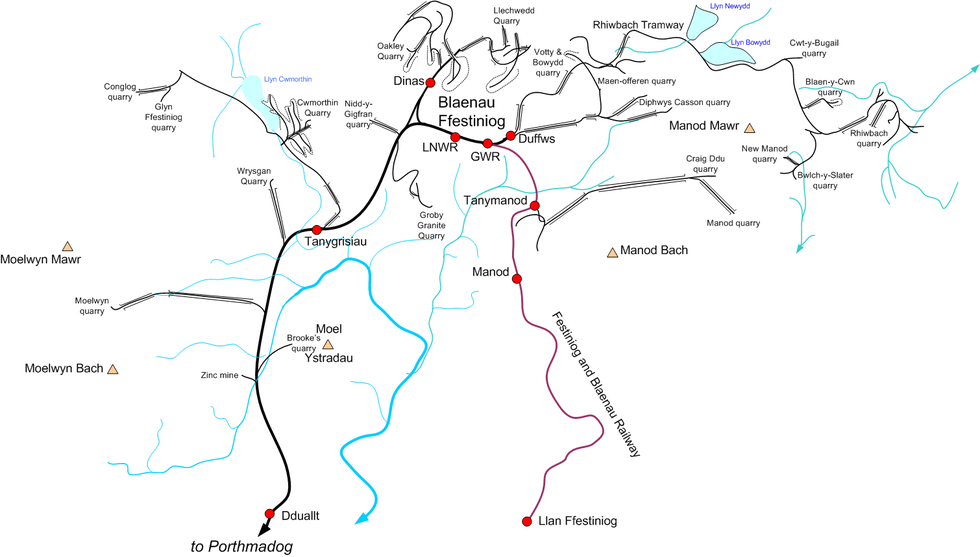
After a week or so of planning, David and I headed towards North Wales to Llyn Cwmorthin a slate quarry we had previously visited in 2016. I had already sketched a rough plan of the video, we just needed lots of footage. The day was a mix of sunny spells and gusts. It remained dry and we got some great footage of the old quarry buildings and of the 14°C swim. The location was very busy with walkers and tours of the mines below. The swim wasn’t very secluded and there was a mean current that made swimming difficult. I was in the water for around 15 minutes and was tired after I got out.
Cwmorthin Slate Quarry, Blaenau Ffestiniog (slate capital of the world), was established in the early 1800’s, and was in operation until the late 1990’s, changing ownership on several occasions. Visiting today it’s like stepping back in time. A walk around the old ruins of terraced houses and chapels, feels like walking alongside ghosts. Indeed, during the late Victorian era, poor working conditions gave rise to the name locally as The Slaughterhouse due to 20+ deaths during a 20 year period. Once Cwmorthin was connected to Oakeley Quarry it became part of the largest slate mine in the world. 90,000+ tons of slate left the quarry between 1861 and 1876. The area today is marked with the signs of slate industry, huge scree mountains of broken slate dominates the land.


Have you visited a quarry?
Tempted to try wild swimming?
Thanks for reading,
Christine xx

 Day 10: This Sunday David and I ventured to


 We parked the car at Torver Village Hall, where they asked for a £3 donation. There was free parking further along the road, but as the day progressed they became very busy.


 It was a perfect winters day, save for the bone chilling wind and the bright sunlight that seared the backs of our retinas.




 The mist closed in around us and doggedly we continued to tread on broken rocks and slate towards the top. Luckily for us the rain held off and the only bugbear was the squalling wind. The path seemed to go on and on, but as we took the drop down, the vista opened out and there standing before us, enshrouded in cloud were the skeletal remains of the houses of industry of
 Christine Lucas