Japan is an amazing country and this is just based on the sights and
sounds we experienced during our stay here. We did most of our sight seeing
around Tokyo and there is still so much more left to be explored. Anyway, the public
train system around the capital city is efficient and punctual. From home base
Shibuya Station, we travelled as far out as Haichioji City which is about an
hour’s journey by train. The only qualm I have is the language barrier. Most do
not speak English and asking for directions can be a real ordeal. Thankfully,
language is irrelevant when it comes to birding and Japan is a birding
paradise. This post will include the birds I managed to encounter during our
visits to popular tourist destinations. My self-control was put to the test as
this is supposed to be a normal vacation for me and my wife and not a pure birding
excursion. A balance had to be struck. Difficult and shy birds were painfully ignored
as it will take up too much time and effort. Due effort and attention must be given
to my better half to ensure she does not feel neglected. At the end of the
trip, I am happy with what I have managed.
One of the first few places we visited was the Hasedera Temple at
the coastal district of Kamakura which is about 60 kilometres south of Tokyo. There
are plenty of temples and shrines throughout Japan and most of them are popular
tourist destinations. We soaked in the view as we wandered around the temple
grounds.


I came to a complete halt when we approached a pond. Paddling all so
casually about were a few Eurasian Wigeons – my first duck in Japan and they are
cracking birds indeed. As I took a moment to relish this stunning lifer, I
became aware of my surroundings again. My gear and antics have drawn the usual
attention of my fellow human beings – again. And I responded with a smile. More
of a grin actually. Nothing was able to rob me of the emotions this handsome duck
has stirred in me.

The wigeons were very confiding and I trust they do not have to
worry about shortage of food. And they probably do not see humans here as threat
either. Whatever it is, it was an incredible experience.


My second duck of the trip was the Spot-billed Duck. A few were
present at the same pond but because of their drabber plumage, could not steal
the limelight from the flashy wigeons. As far as I can tell, the Spot-billed
Duck is the commonest duck as I saw it at several localities throughout my stay
in Japan.

We cruised along the Tokyo Bay after the temple visit and this
coastline is quite popular with tourists and locals as well. The sandy beach
here have a blackish appearance courtesy of the volcanos but that does not stop
the crowd from enjoying their Sunday on the beach. The thing that really had my
attention was the big number of Black Kites present and some were perched along
the electrical cables next to the road. I have no doubt scavenging forms a
large part of their daily routine and they have become extremely bold and
confiding. I have encountered Black Kites on countless occasions back home but
never once have I ever managed to get this close to one.
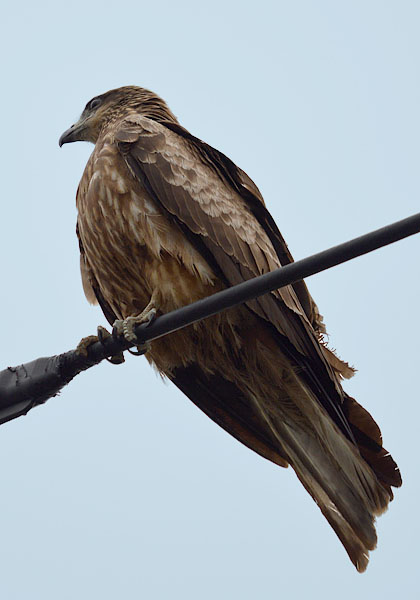


The kites were behaving very much like crows and it is quite surprising
that the Jungle Crows here do not harass these highly adaptable raptors. Well,
not frequently anyway.

Japan is not short of surprises. Disney Sea Tokyo is part of our itinerary
and it was only on that day I left the house without my birding gear. As
expected, this tourist attraction was crowded and full of activities. It was
not exactly the type of place to expect anything in terms of birding – or so I
thought.


While queuing up for one of the attractions, a few Spot-billed Ducks
decided to alight and rest on some eye-level concrete pillars close by. I could
not resist but to try and obtain some images as they appeared to be most
comfortable while in close proximity with humans. I casually walked towards
them and the ducks did not even budge even though I was close enough to pet
them on the head. No telephoto lens is required. A cell phone camera will do
just fine.

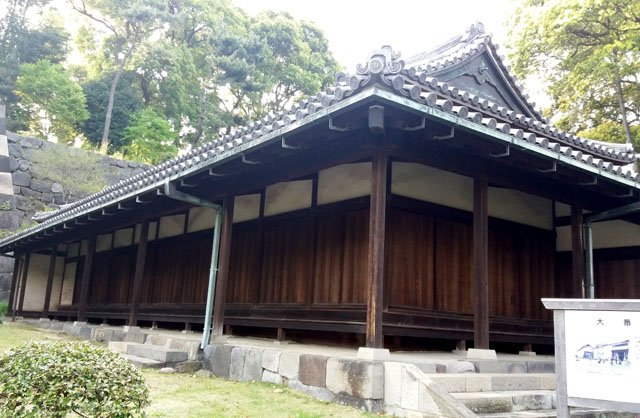
A visit to the Tokyo Imperial Palace was next in line and as we were
about to walk the bridge that crosses the moat and into the palace, a lone Mute
Swan was seen foraging along the water edge. According to my friend Google,
most of the Mute Swans in Japan originated from introduced stock. Being
non-native birds has not stop me from shooting them back in Malaysia. Why
should it now? Besides, the Mute Swan is one beautiful and graceful bird.

The palace ground was splendid. I was not expecting any less as it
is, after all, home to the royal family. There is a big field where visitors
were chilling out and having picnics. Well, when in Rome do as the Romans do
and we had our own little picnic as well.

So there we were, enjoying a
beautiful Japanese spring afternoon and minding our own business when a White
Wagtail decided to stroll across my view. I immediately jumped into action. I
fumbled as I reached for my camera and I thank my lucky stars all my awkward
movements did not put the bird to flight. In fact, I obtained some reasonable
good shots as the bird was very confiding. Now if these photos were taken back
home, I would be a very happy man. Unlike in Japan, the White Wagtail is
somewhat rare in Malaysia and I have only seen it on very few occasions.


As we were making our way out of the palace, the Mute Swan was
getting ready for the night ahead. Not far from the swan, I spotted a few Great
Cormorants drying their feathers at the edge of the moat. It may be a common
species here in Japan but to a Malaysian birder, the Great Cormorant is a very
rare bird. Naturally, this fascinating water bird got my undivided attention.
And you guessed it – the roosting duck was a Spot-billed Duck.

I was really looking forward to visiting Mount Takao as I read it
was quite a haven for birds. But the thing is it would be forest birding and no
matter which part of the world you are in, luck plays a major role in the
outcome of such an excursion. The scenery was incredible. Lush temperate forest
almost in full bloom greeted us as we made our way up to the summit.
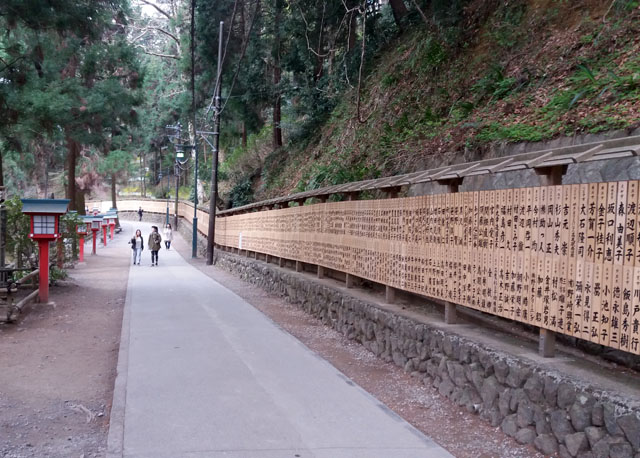

I wish I had more time to explore the well-marked forest trails and
all the strange and new bird calls coming from the forest. Anticipation was
high. There was no doubt about. And a signboard that depicted the Green
Pheasant as one of the birds found here had no influence on me in any way whatsoever...

My wife braved the cold and joined me for a short walk into one of
the forest trails. At times, I do wonder how in the world she puts up with my obsessive
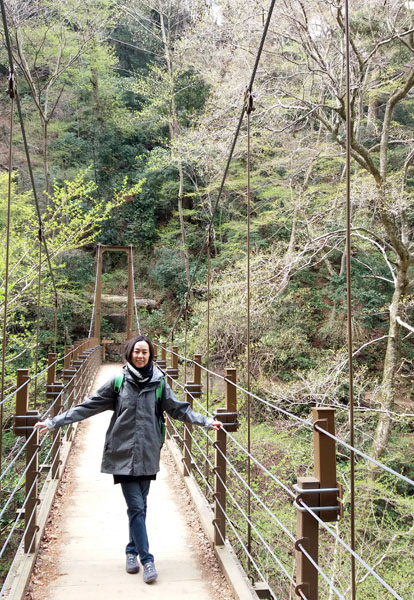
behaviour with birding. Anyway, this trail had a suspension bridge and the view
was truly impressive.
This is not the first time I have laid eyes on the intricate wing
patterns of the Oriental Turtle-dove. I saw this species a few years back in Taiwan
and a few days earlier at my local patch in Shibuya. But it is only today that
I managed to obtain some good photos of this rather common species.


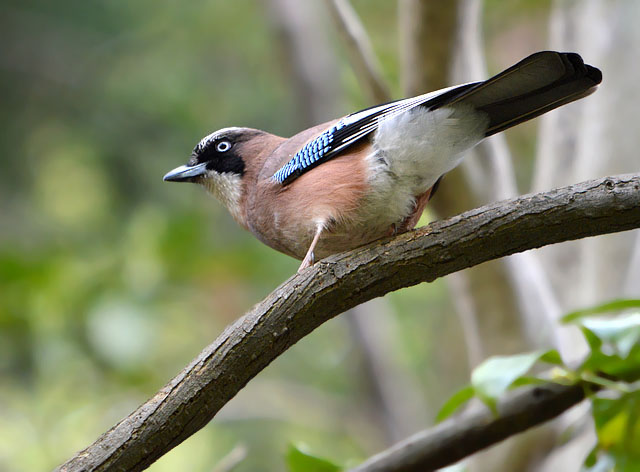
As expected, I did not see the pheasant but I did managed to come
across a Eurasian Jay and it was one of the highlights of my Japanese trip. It
was loud, colourful and exotic. Best of all, it was inquisitive as well and
dropped by closer to have a better look at this all-worked-up Malaysian birder.

I followed its movements for as long as possible and gradually
managed to obtain a few more shots before the Jay disappeared back into the
forest. The encounter left me a little light-headed and I had to descend from
the narrow mountain trail with a little more caution.

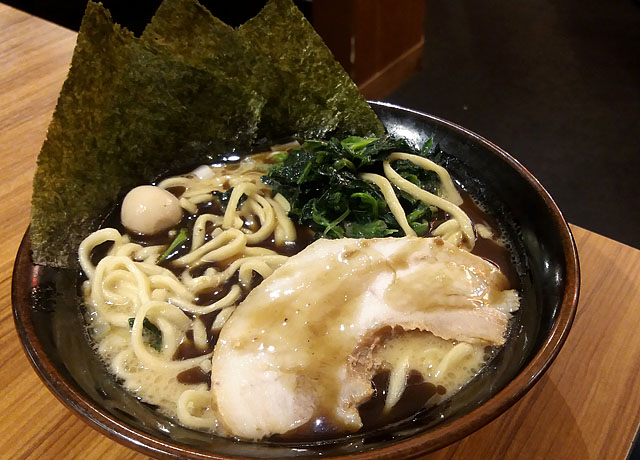
One non-bird related about Japan that is worth mentioning is the
food. We quite fancy the Japanese food found back in our hometown but nothing
beats the original. The food was glorious and we made an effort to try as much
variety as possible. Although for me it is always the birds, the rich culture
and culinary delights of this beautiful country also left quite an impression
on me and helped made this trip a truly memorable one.