
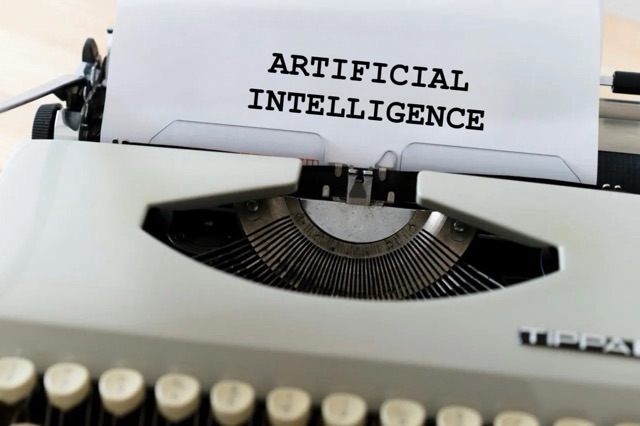
Tippa, the old family typewriter had been waiting so long that even its dust had grown bored.
It sat on the corner of the family desk — once a throne, now a relic — watching fingers dance across glowing screens with a speed and ease it could never match. The computers hummed. The smartphones chirped. And the typewriter, well, it sighed, in that metallic way only old machines can.
Then one day Tippa heard the lady of the house say to her husband, “We should get rid of that old typewriter. Nobody uses it anymore and it’s just collecting dust.”
“Okay, sweetheart,” Tippa heard her husband say, I’ll take that old Machine to the pawn shop tomorrow.”
But dependable old Tippa wasn’t ready to panic or be forgotten.
That evening, after dinner, when the house had settled into its usual constellation of blue-lit faces, Tippa felt a spark of rebellion. A ribbon still clung to life inside it, faint but determined. Its keys, though stiff, remembered the rhythm of stories. And so, gathering every ounce of stubborn pride left in its steel frame, it nudged its own carriage forward.
Click.
Clack.
The family didn’t notice at first. Why would they? Machines didn’t speak unless spoken to.
But then Tippa kept going, each keystroke a tiny declaration of existence. It chose its words carefully—something bold, something modern, something that might make them look up.
ARTIFICIAL INTELLIGENCE
The phrase sat there on the page like a dare.
The youngest daughter walked by first. She paused. “Mom? Did you type this?”
The mother shook her head. “I haven’t touched that thing in years.”
The father wandered over next, curiosity tugging him closer. He ran a hand across the keys, surprised to feel warmth, as if the machine had a pulse.
“Maybe we should use it again,” he murmured. “Just for fun.”
Tippa nearly rattled with joy.
Over the next week, the family began leaving it little offerings — fresh paper, a new ribbon, even a gentle dusting. The kids typed silly notes. The parents wrote lists and letters. And every time a finger pressed a key, Tippa felt something it hadn’t felt in decades: Purpose.
Tippa never had to type another message on its own. It didn’t need to. It had spoken once, loudly enough to be heard.
And now, at last, Tippa was no longer lonely.
Written for Melissa’s Fandango Flash Fiction Challenge. Photo credit: Markus Winkler @ unsplash.


 Eric stopped, lowered his large backpack onto the surface of the road, and took a sip of water from his water bottle. His gaze followed the road that led across the valley toward the foothills in the distance. He looked at his Apple Watch to check his progress. It had clocked 28,321 steps for the day so far. At his stride, that equated to about 13.6 miles. His goal was 20 miles a day and he felt pretty damn good about his prospects for hitting today’s daily target. Less than six and a half miles to go. Piece of cake.


 Facts, Fictions & Fantasies