Book Review: Saoirse by Charleen Hurtubise

Saoirse
by
Charleen Hurtubise

Rating: 3.5 out of 5.

Last week my OG book club met to discuss Saoirse by Charleen Hurtubise. Before I talk about the book, I want to talk a bit about my book club because I am so grateful for these women. I met these ladies through our local Mom’s Club and then quickly through friends of these moms. Back then we were busy with babies and preschoolers, but we were all readers who wanted to make time to talk about books. We officially started a book club in 1999 and met once a month, but not until after our babies were down for the night. The first book we read was The Bonesetter’s Daughter by Amy Tan.

Our children have grown, and sadly, we lost a dear friend. But we’re still reading and getting together, and chatting in a group text between our meetings. And we meet a lot earlier in the evening! It was a beautiful night when we met last week. My friend ST hosted on her covered deck with a great spread of food and drink.

I had not heard of Saoirse, but there were copies at the library and we all grabbed them. First, if you’re wondering how to say the title, it’s pronounced Sear-sha. It’s an Irish name that means freedom and symbolizes everything that happens in the book.

The story begins in 1990 and spans about ten years with alternating timelines, where we follow Sarah, a young woman who, at nineteen, escapes an abusive and dangerous family situation in Michigan. Sarah knows she must leave forever and that means changing her identity and leaving her baby sister behind. To escape, she steals her friend’s passport and builds a new life in the coastal town of Donegal, Ireland.

Sarah, later known as Saoirse, works through the trauma she experienced in Michigan by sketching and painting. Her talent is undeniable and gains attention, but Saoirse worries that her past will catch up with her. With a partner and two young daughters, there’s a lot more at stake. How could she explain? Would anyone understand?

I enjoyed reading about Ireland, the customs and beliefs about family and taking care of your own. The author includes several characters whose strong beliefs drive their decisions, even when it hurts others. I also enjoyed the author’s descriptions of the Ireland. The cover alone makes me want to visit!

The story reads quickly and shows several conflicting perspectives. Readers will have to suspend disbelief because the plot depends on several unlikely situations coincidences to keep it going.

I also enjoyed learning about Hurtubise and her experiences living in Michigan and Ireland. Here’s more information about the author, taken from her website:

Charleen Hurtubise is a novelist and artist. She is author of The Polite Act of Drowning, published in Ireland and the UK in 2023. Saoirse is her US debut. She holds an M.Sc. from Trinity College Dublin and an MFA in creative writing from University College Dublin, where she has facilitated creative writing seminars. The sixth sister in a family of nine, she spent much of her childhood in Michigan, her early adult years in Boston, and has now lived half of her life in Ireland, which is home. Though she lives in Dublin with her Irish family, the pull of Donegal never leaves and continues to influence her drawings and writings, including Saoirse.

I recommend Saoirse to readers of women’s fiction who enjoy suspense and drama.

Thanks for visiting—come back soon!

When Sue Grafton’s books appear as props in TV shows and movies

I love when books show up as props in TV shows and movies, especially when I recognize the titles. Did you know that Sue Grafton’s alphabet books have appeared as props in at least two shows and one movie? I love this kind of trivia! Here’s what I found out:

In the “Mayham” episode of The Sopranos (Season 6 Episode 3), Carmela sits by Tony’s bedside in the hospital, reading “G” Is for Gumshoe.

In the “Local Ad” episode of The Office (Season 4, Episode 5), Phyllis goes to a Sue Grafton book signing at the mall to try to get her to be in the Dunder-Mifflin Scranton branch commercial. She meets Grafton, who turns down the offer, and Phyllis is eventually thrown out of the store.

In the 2006 film, Stranger Than Fiction, starring Will Ferrell, Emma Thompson, and Dustin Hoffman, Professor Hilbert is spotted reading “I” Is for Innocent while lifeguarding.

If you can add to this list, leave a comment and I’ll update the post!

Thanks for visiting—come back soon!

Book Review: “A” Is for Alibi by Sue Grafton

“A” Is for Alibi
by
Sue Grafton

Rating: 3.5 out of 5.

If you’re a mystery fan, you may already know about Sue Grafton’s alphabet series of detective novels, featuring private investigator Kinsey Millhone in the fictional city of Santa Teresa, California. Grafton published a book for every letter of the alphabet except Z: she passed away in 2017 before she could finish her final book, “Z” is for Zero. When I was picking books for our mystery book club at my library job, I realized we had never read any of Grafton’s books. So I selected the first in the series to get the group started.

“A” Is for Alibi is the first of the series and was published in 1982. Told in Millhone’s voice, the story begins when she tells us, “The day before yesterday I killed someone and the fact weighs heavily on my mind.” From here we jump back to when Millhone agrees to take on Nikki Fife as a new client. Fresh out of prison, Nikki served eight years for the murder of her husband, Laurence Fife, a prominent divorce attorney. Nikki says she didn’t do it, and wants Millhone to find out who did.

We get to know Millhone as we follow her from place to place where she conducts interviews and tracks leads that take her through Los Angeles and Las Vegas. Like many detectives in fiction, Millhone is a bit of a loner with a hard shell. At thirty-two, she’s twice divorced and carries the burden of trauma.

I’m not going to include any spoilers except to say that Grafton includes a lot of red herrings and I fell for each and every one of them! Characters who seem nice might be shady, or maybe they are just nice. But what about the ones who are difficult? Are they hiding something? Readers get a look at all personalities and many play a role the events that lead to Laurence Fife’s murder and the years that follow.

I enjoyed reading about Los Angeles and the secluded homes on the beach, as well as Millhone’s running commentary on things and people she encounters. Since the book is set in the 1908s, the lack of technology is refreshing and readers who know that time period will appreciate the references to Millhone’s answering service and occasional mentions of what things cost back then.

“A” Is for Alibi is a fast and entertaining read. It would be hard for me to commit to a nearly full alphabet of books, but I think I would probably read another one. One of the ladies in my mystery group has read every one of them and said the best ones are in the middle of the alphabet!

Have you read any of the alphabet series? Leave a comment!

Thanks for visiting—come back soon!

Seafaring Stories that will make you long for dry land!

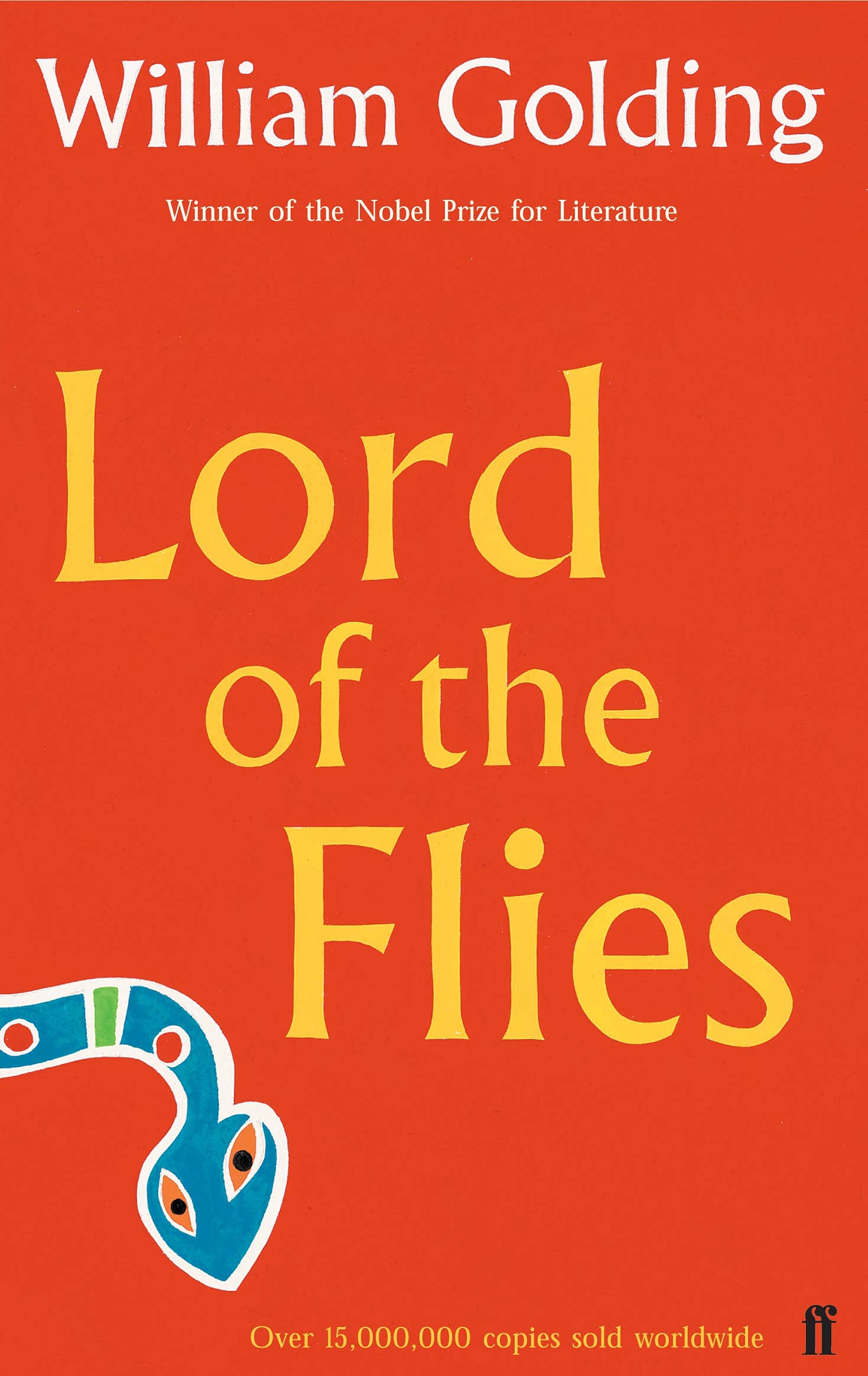
If you saw yesterday’s post, you might not be surprised to see me follow with a list of sea faring books! I’d love to include Moby Dick and some others, but I’d have to read them again to properly review them. So for now, here are the ones I’ve read more recently. I included Lord of the Flies because, even though it’s a plane crash that strands the boys on a deserted island, they still have to deal with being out in the middle of the ocean.

Adrift: Seventy-Six Days Lost at Sea by Steven Callahan

Alone: Lost Overboard in the Indian Ocean by Brett Archibald     

Bound by Ice: A True North Pole Survival Story by Sandra Neil Wallace and Rich Wallace

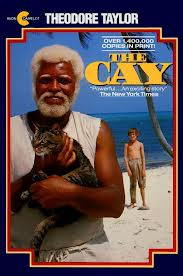
The Cay by Theodore Taylor

Dead Wake: The Last Crossing of the Lusitania by Erik Larson

In the Heart of the Sea by Nathaniel Philbrick

Isaac’s Storm by Erik Larson

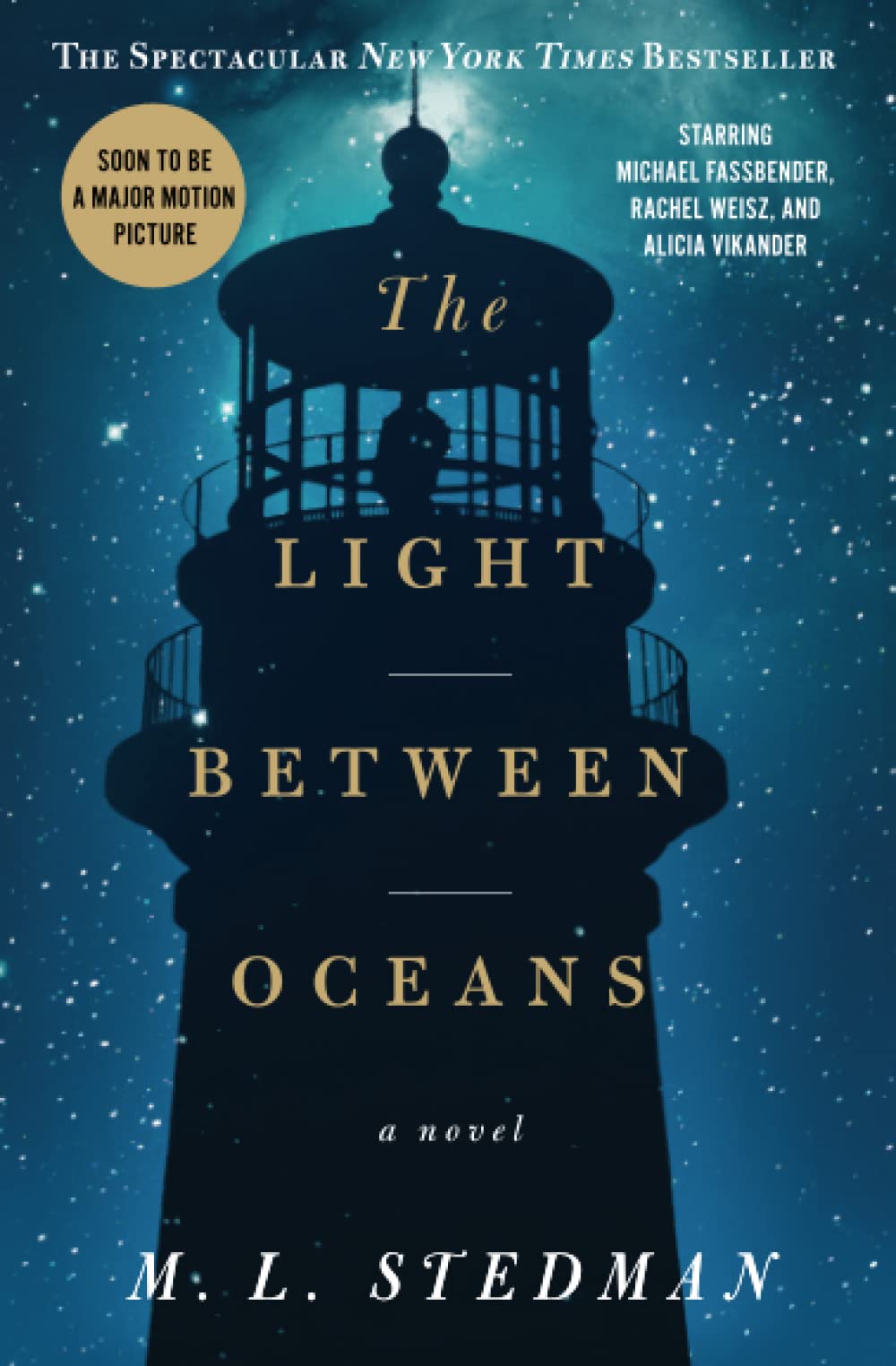
The Light Between Oceans by M. L. Stedman

Lord of the Flies by William Golding

A Marriage at Sea by Sophie Elmhirst

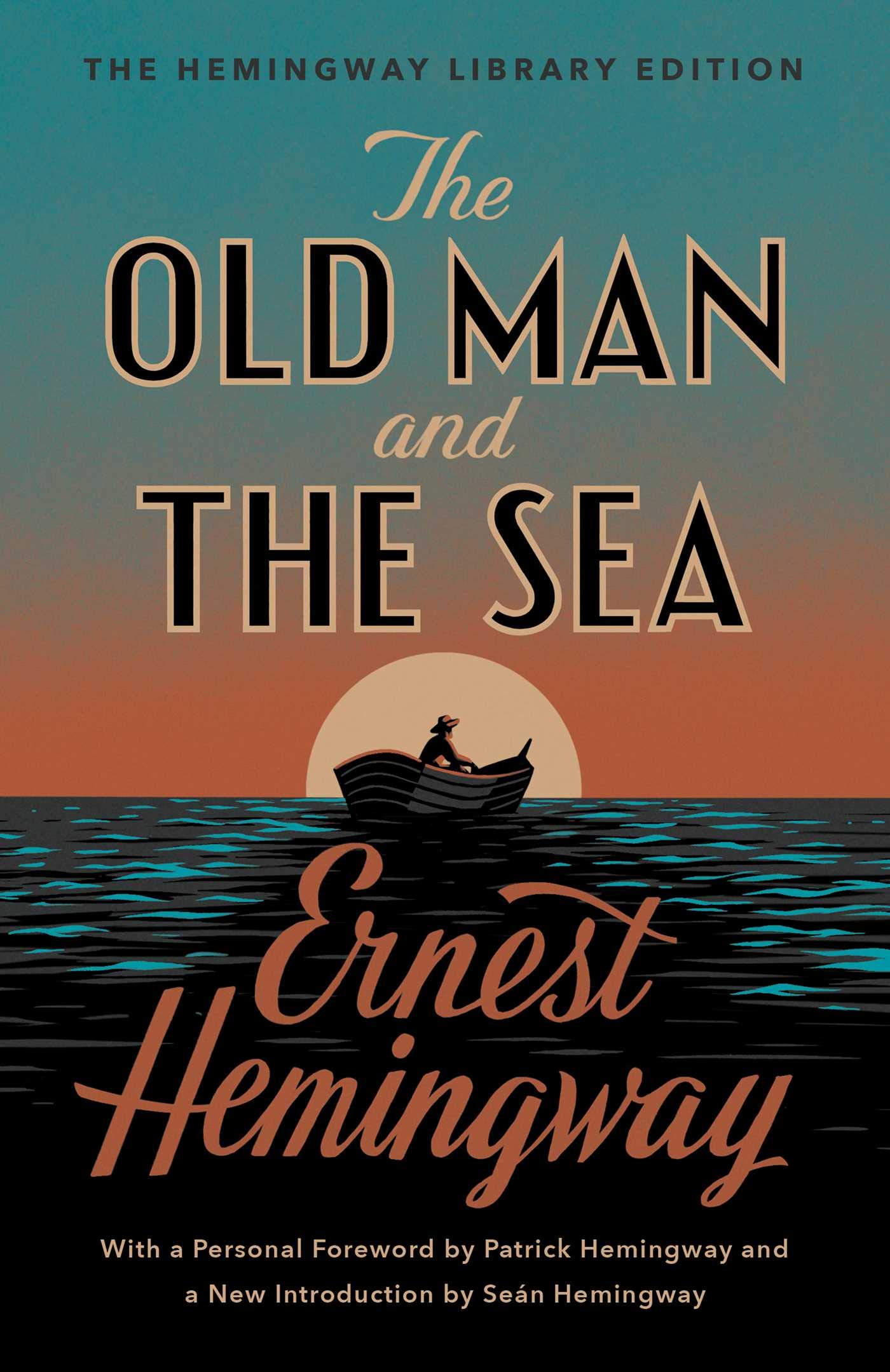
The Old Man and the Sea by Ernest Hemingway

Refugee by Alan Gratz

Sea Wife by Amity Gaige

The Second Mrs. Astor: A Novel of the Titanic by Shana Abé

Thunderstruck by Erik Larson

The Wager: A Tale of Shipwreck, Mutiny, and Murder by David Grann

Thanks for visiting—come back soon!

Book Review: A Marriage at Sea – A True Story of Love, Obsession, and Shipwreck by Sophie Elmhirst

A Marriage at Sea
A True Story of Love, Obsession, and Shipwreck
by
Sohpie Elmhirst

Rating: 4 out of 5.

I’ve always been drawn to books about storms and disasters at sea so when I learned about A Marriage at Sea, I knew I was going to read it. Published in 2025, it was one of Barack Obama’s favorite books of the year and was named a New York Times Top Ten Book of 2025. Described by USA Today as “nonfiction that reads like fiction,” it’s the story of Maurice and Maralyn Bailey and their 1972 attempt to sail from England to New Zealand and start a new life. They made it through the Panama Canal and into the Pacific Ocean when a breaching whale knocked a hole in their boat. Maurice and Maralyn grabbed as many supplies as they could and jumped into a dinghy and life raft before the Auralyn sank.

Alone in the middle of the ocean for nearly four months in two rubber rafts, Maurice and Maralyn had to fight to survive the dangerous waters, as well as intense feelings of depression and hopelessness. What qualities equip you to survive such peril? For them, it was a unique combination of self-reliance and a near-obsession with details, skills that took root during their childhoods and made them long to run away from the world. Maurice’s unhappy childhood as an invalid made him feel unloved and isolated. Maralyn, a free thinker, wanted to escape the conventional suburban life that her parents expected her to lead.

The author describes how routines, even on a small life raft in the middle of the ocean, helped keep them alive. But the unique dynamics of their marriage seemed to be the magic component. I was fascinated by how they faced situations because, even though they frequently thought they were doomed, they held on to some intangible that carried them from one day to the next.

I had never heard of the Baileys and fought the urge to look them up while I read. If you read the book, do your best to do the same because it made it all the more interesting to read more later.

As the title indicates, this is as much a story about marriage as it is about survival at sea. I recommend A Marriage at Sea to readers of both fiction and nonfiction who like stories about relationships and adversity.

Thanks for visiting—come back soon!

Book Review: Among Friends by Hal Ebbott

Among Friends
by
Hal Ebbott

Rating: 3 out of 5.

I didn’t know a lot about this book or the author, but I was drawn to the cover and the promise of a good story about relationships, one of my favorite fiction topics. Ebbott’s debut novel, Among Friends follows the long friendships of two couples, now in their fifties, and their two teenage daughters.

Set in New York, the story begins as Amos, Claire and their daughter, Anna drive upstate to spend the weekend with Emerson, Retsy and their daughter, Sophie, to celebrate Emerson’s fifty-second birthday. In the car, we get a glimpse of the undercurrents in Amos and Claire’s marriage when Claire, a doctor, discounts Amos’s worry about a toothache. These initial interactions set the tone of the novel, where internal dialogues dominate. No one seems happy, despite the great friendships and the comfortable, privileged lives they lead.

Right away, we get a look at their personalities when the four discuss a disturbing incident that is now being handled. Emerson, a lawyer, has a shrewd and often ruthless approach which spills into his personal relationships and can put people on edge. We also learn about the dynamics between Emerson and Amos, who were college roommates, and how they feed off each other. Emerson, a golden boy who comes from money, wants assurance that he’s actually a good guy and he gets that from Amos, whose family had no money. Amos, a sharp and insightful psychologist, seeks validation from Emerson. It often seems that this relationship is the most important one in their lives, which says something about their marriages.

Everything changes when something really bad happens and the two couples must confront the multitude of negative thoughts they have been cultivating, particularly when true personalities and selfishness come to light.

I thought this was an excellent conflict; however, the buildup was slow and the author’s writing style put me off. The excessive use of personification, metaphors and similes made the book seem more like an exercise in creative writing than an engaging novel. I was also frustrated with the lack of likable characters. The level of self-absorption and brooding analysis made me wonder how any of them accomplished anything during the day. I don’t like to be too picky, but a lot of reviews on Amazon and Goodreads say the same thing. In addition, I think it can be tricky for young authors to write about situations they may not have experienced yet. I found the author’s portrayal of the two couples to be unrealistic in many ways and the ending did not sit right with me.

So, an interesting plot and worthy of three stars for that, but maybe not a book for everyone.

Thanks for visiting—come back soon!

Book Review: Isaac’s Storm by Erik Larson

Isaac’s Storm
by
Erik Larson

Rating: 5 out of 5.

I had been wanting to read Isaac’s Storm for a long time. I borrowed the eBook from the library multiple times, but never got a chance to read it before I had to return it. Last week, after I’d downloaded it again, I decided this was it. I’ve enjoyed several other books by Erik Larson and knew it would be good.

I was right! I love books about storms and I was curious about the devasting hurricane in 1900 that demolished Galveston, Texas, so it was a perfect choice. This was a terrible tragedy. Eight thousand men, women, and children lost their lives in the storm that took everyone by surprise, including Isaac Cline, the chief weatherman in Texas.

There were a lot of factors at play. Technology was undeveloped and forecasters didn’t truly understand how hurricanes formed and behaved. They had instruments to measure wind speed and barometric pressure, and could look at the history of hurricanes, but this was 1900, nothing like today. What was like today were the politics, false pride, and rivalry that also played big parts. And the belief that Galveston, the next up-and-coming city, was invulnerable to big storms. If you look at a map of Galveston, you will see just how vulnerable it is. Although not below sea level, this strip of an island is in a low-lying area surrounded by water.

The author spends the first part of the book describing the city and the history of weather forecasting, including the government’s difficult relationship with Cuba, a country that knew about hurricanes from experience. Larson also describes the people who were living in Galveston at the time and the choices they made when the weather got bad.

The second half of the book covers the actual storm and the devastation it left behind. This is where the book really takes off. Larson may be a nonfiction author, but his ability to tell a story is fantastic. The descriptions of families, their decisions, and their heroics in a time of disaster were riveting, as well as heartbreaking.

I liked how easy it was to imagine their lives and the peril they faced. The devastating aftermath was just as sad. Reading about blue skies and calm winds the next day and survivors’ reactions to the destruction gave me a true understanding of the time.

I recommend Isaac’s Storm to readers who enjoy learning about history and the people facing catastrophe.

Check out my reviews of these additional books by Erik Larson:

The Devil in the White City

Dead Wake

Thunderstruck

Thanks for visiting—come back soon!

Book Review: The Interestings by Meg Wolitzer

the interestings pic

The Interestings
by
Meg Wolitzer

Rating: 5 out of 5.

What kind of book deserves a five-star rating? What it comes down to for me is how great I feel while I’m reading it, how deeply I relate to the characters, to the ideas they express and to the way these characters serve as symbols that represent multiple layers of themes.

Meg Wolitzer does all the things I love in The Interestings, a story that spans forty years and follows the lives of six talented teenagers who meet in 1974 at a summer camp for the arts. In the book, Wolitzer poses this central question: What is to be done with talent? And this story is how each of her characters struggles to balance talent with relationships, careers, family and happiness.

Wolitzer touches on many themes, particularly the complicated relationship between talent, success, money and happiness. At Spirit-in-the-Woods camp, Jules Jacobson is a newcomer to this precocious group. She soon discovers the niche of comedic acting. Ash Wolf is beautiful, a more serious actress. Her brother, Goodman, is big, handsome and charismatic, an aspiring architect, but he’s lazy. Cathy Kiplinger is a talented dancer. Jonah Bay is a gifted musician, the son of a famous folksinger. And at the core of these friends is Ethan Figman, awkward, heavy and unattractive. He’s a brilliant cartoonist who has a keen sense of what others are feeling and continues in that role throughout his life.

As the friends enter the adult world in New York, they start to understand that talent can only get them so far, that money and connections can be equally important. Some make it, some change course, some struggle desperately. Ethan’s Figland cartoon propels him to unimagined levels of success and the other characters watch with jaw-dropped amazement. But this isn’t just a story about six kids and their arty careers. It’s also a story about family, marriage, envy, depression, friendship and big secrets that threaten the ruin of everything they’ve built. It’s about work and the big machine of business. It’s about New York and “its unyielding surfaces.”

I’ll leave out the plot developments so you can enjoy The Interestings as much as I have. Instead, I’ll tell you why, in addition to what’s above, this is such a great read:

  • It’s extremely well-organized, with great early details that come into play much later.
  • It’s not a historical novel, but there are just enough historical references to anchor you to a certain period of time.
  • The social and political commentary is present, but not overbearing. I like knowing what the author thinks.
  • Many of the characters reach dramatic life-changing epiphanies and that really moved me.
  • There is a great payback scene that exceeded my expectations!
  • I love Ethan Figman, the way he thinks, feels and cares about his friends.
  • I also love the comparison between the marriages, how the roles change as situations shift.

Here are my favorite quotes from The Interestings:

This is Ethan talking to Jonah about the meaning of work and life:

Don’t be guided by some rigid philosophy. Make things. Play your guitar. Build robots. This is all we’ve really got, isn’t it? What else is there but basically building things until the day we die?

Here is a description of Ethan when he reaches his own epiphany:

Ethan had imagined his life was nearly perfect except for the flawed son; but the flaw was in the father.

This describes Jules as she thinks about how Ethan is her soulmate:

But she knew, you didn’t have to marry your soulmate, and you didn’t even have to marry an Interesting. You didn’t always need to be the dazzler, the firecracker…you could cease to be obsessed with the idea of being interesting…the definition could change; it had changed, for her.

And finally (warning – mild spoiler!), Jules and Dennis and how he comes back strong:

He willed the marriage back, and pulled his wife toward him. Dennis was present, still present, and this, she thought as she stayed landed against him, was no small talent.

This is my kind of book and I was so glad to finally read it. Have you already read The Interestings? Do you agree with me? I’ve read a lot of reviews and not all of them are positive. I’d love to hear what you think!

Thanks for visiting – come back soon!

Book Review: The Woman in Suite 11 by Ruth Ware

The Woman in Suite 11
by
Ruth Ware

Rating: 3.5 out of 5.

You may remember Ruth Ware’s 2016 bestseller, The Woman in Cabin 10, the suspenseful story about Lo Blacklock, a travel writer on an exclusive cruise, who witnesses a woman being thrown overboard. At least that’s what she thinks she sees. But she’s been drinking a lot and she’s suffering from Post Traumatic Stress Syndrome. No one believes her.

The popular book was adapted into a Netflix film in 2025 and now Ware has written a follow-up. The Woman in Suite 11 picks up ten years later and follows a new plot in which Lo, now married with two children, attends a special grand opening of a luxury hotel in Geneva, Switzerland, hoping to get an interview with the Marcus Leidmann, CEO of the hotel’s owner, the Leidmann Group.

Everything seems great when Lo arrives at the Grand Hotel du Lac. What a strange surprise, however, to see several colleagues who were aboard the cruise ten years earlier. It took years of therapy to move past those tragic events and the last thing she wants is to rehash what happened with them. Still, a little networking after being out of the work force will be good. And even better if she sells her interview to the Financial Times.

But Lo is in for the shock of her life when she’s called into Suite 11 and sees the one person she hoped never to lay eyes on again. Get ready to watch Lo get pulled into a dangerous and twisty plot that places her at the center, fighting a murder charge, and hoping to get out alive. As you can see by the cover, the plot involves a bathtub with the water running. I’ll leave that to you to guess what it means!

As with the first book, Ware keeps the pages turning and I appreciated how she includes plenty of bad decisions and red herrings, wrapped up in conflicting loyalties and interesting moral questions. Lo knows that if she walks away from what she’s been asked to do, she could not live with herself. I also enjoyed reading about the luxury hotel, the beautiful setting, as well as a look inside a wealthy and powerful family and the inner workings of the Leidmann Group.

After ten years, I was pretty hazy on the details of The Woman in Cabin 10, but it didn’t matter. The author includes plenty of backstory in the second book, and even if you never read the first one, you will have no trouble following the story. Although I’ve liked some of Ware’s other books a little better,I found The Women in Suite 11 an entertaining and suspenseful read, something fun to look forward to at the end of the day.

Read my review of The Woman in Cabin 10 here.

And check out my reviews of these other Ruth Ware books:

The Turn of the Key
The It Girl
One by One

Thanks for visiting—come back soon!

Book Review: The Irish Goodbye by Heather Aimee O’Neill

The Irish Goodbye
by
Heather Aimee O’Neill

Rating: 3 out of 5.

I recently loaded up my Kindle with library books so I would have a lot of choices while I was traveling last weekend. You need a certain kind of book when you’re on a trip. Nothing too heavy and something to keep you engaged while you’re waiting in the airport or during those random times between activities. I picked The Irish Goodbye because I have liked other Read with Jenna books. In addition, anything with a house on the cover attracts me!

Set in New York on a coastal Long Island town, The Irish Goodbye begins the day before Thanksgiving when the three adult Ryan sisters return to their parents’ large Victorian house. Twenty years earlier, an accident on their brother Topher’s boat shook the family, and that day on the water continues to haunt them. Cait ran away to London to escape the guilt for her role in the accident and rarely returns. Alice, the middle sister, stayed. And Maggie, the youngest sister, moved to Vermont. Now, each brings a personal crisis to the house. The family culture is the kind where they all pretend everything is okay. At first they try to hide their problems, but the past collides with the present when Cait invites an old friend to the house.

Several issues churn just below the surface: sibling resentments, their aging parents, the family home in need of major repairs, and their mother, Nora’s strong Catholic beliefs. And of course, the stress of being adults with family, relationship, and career demands. These simmering conflicts kept me reading.

The title refers to the act of leaving without saying goodbye and is a prominent theme throughout the book and the author connects several storylines to this idea.

I appreciated how easily the story developed and the larger problems that dominated the family. That made me happy with my choice for a travel book. I also liked the tie-in to the old house and the idea of keeping it in the family. But I didn’t connect much with the characters because I felt they were undeveloped, and I thought the author included too many issues for such a quick read. That was especially true as she worked to resolve everything at the end.

So all in all an engaging and modern read, but not something I will think about much now that I’ve finished it.

Thanks for visiting—come back soon!